Kuwait Plant Attack Highlights Middle East's Critical Water Vulnerability
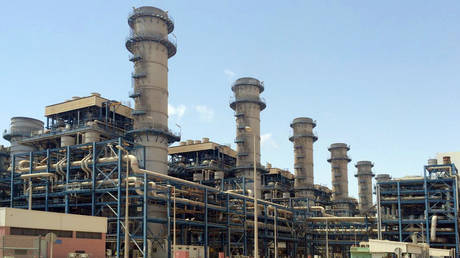
An alleged Iranian airstrike on a Kuwait desalination plant renews fears over regional water security. One worker killed and critical infrastructure damaged in the attack.
An alleged Iranian airstrike on a combined power and desalination plant in Kuwait has renewed fears over the vulnerability of drinking water supplies in the Middle East. Kuwait accused Iran of carrying out a "heinous attack" on Sunday, which killed one Indian worker and caused extensive damage to a service building. Fatima Abbas Jawhar Hayat, spokeswoman for Kuwait's Ministry of Electricity, Water, and Renewable Energy, confirmed the incident but did not specify which facility was hit or whether water or electricity production was disrupted.
NASA's Fire Information for Resource Management System detected multiple heat signatures at the Sabiya West thermal power plant in Kuwait, indicating fires at the site. Iranian media reported a fire at the same plant, though they mistakenly identified it as the Doha West facility, located roughly 50 km away. Tehran has not yet responded to the accusations, while Kuwaiti authorities continue to assess the damage and urge residents to ignore speculation.
The Sabiya plant, launched in 1998 and expanded multiple times, is crucial for Kuwait. It generates about 5,300 megawatts of electricity per hour and produces roughly 340,000 cubic meters of water daily. Kuwait operates six government-owned thermal plants that produce both electricity and desalinated water, with the largest single water producer being the Al-Zour South plant, with a capacity of about 670,000 cubic meters per day.
Dependence on desalination in the Middle East is extreme due to water scarcity. According to UN data, Kuwait has access to just 4 cubic meters of naturally renewable freshwater per person annually, far below the 1,700 cubic meters needed for modern living standards. Gulf Cooperation Council countries began heavily investing in desalination after the 1979 oil crisis, and today this technology supplies from about 42% of drinking water in the UAE to nearly 99% in Qatar. This incident underscores how desalination infrastructure, vital for the region, becomes a critical vulnerability amid geopolitical tensions.