Taiwan opposition leader visits China in peace mission
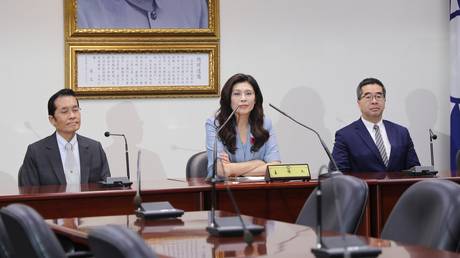
Taiwan's opposition leader Cheng Li-wun visits China for the first time since 2016, seeking cross-strait stability and avoiding conflict like Ukraine.
Taiwan's opposition leader, Cheng Li-wun, has embarked on a historic visit to mainland China, marking the first such trip by a Kuomintang chairperson in a decade, amid rising tensions in the Taiwan Strait. Invited by Chinese President Xi Jinping, Cheng, known for her anti-independence stance, describes her mission as an effort to build "peace and stability" across the strait, arguing that Taiwan must avoid becoming "the next Ukraine." This visit highlights internal political divisions in Taiwan, where the ruling party, more inclined toward sovereignty, contrasts with the Kuomintang's advocacy for closer ties with Beijing.
The geopolitical context is critical: China views Taiwan as part of its territory under the One China policy, recognized by most countries, including the United States, albeit with nuances. Cheng has emphasized that the world does not support Taiwanese independence, reflecting international pressure to maintain the status quo. Her visit aims to reopen direct dialogue channels, which have been limited since 2016, in an attempt to reduce the risk of military conflict, especially following Chinese warnings of "annihilation" in response to perceived provocative moves.
Analytically, this outreach occurs amid regional realignment, as seen in the rise of leaders in neighboring countries like Vietnam adopting China-style mandates, suggesting Beijing's growing influence in Southeast Asia. Cheng's visit could be interpreted as an effort to capitalize on this dynamic, seeking stability while China strengthens its regional posture. However, it also exposes tensions between pro-unification and pro-independence factions in Taiwan, with critics potentially viewing the trip as a concession to Chinese sovereignty.
In summary, Cheng Li-wun's mission represents a turning point in cross-strait relations, blending personal diplomacy with realpolitik. While promoting peace, its success will depend on Beijing's response and the ability to navigate domestic and international complexities, in a scenario where any misstep could exacerbate tensions rather than alleviate them.