Sri Lanka turns to Russian oil amid energy crisis
Sri Lanka agrees to Russian crude supplies from mid-April, seeking energy stability as Russia strengthens cyber ties with Iran, reshaping global alliances.
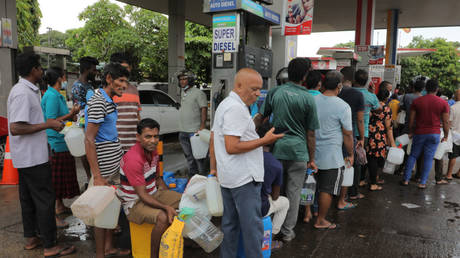
Sri Lanka has reached an agreement with Russia to begin receiving crude oil supplies from mid-April, according to Transport Minister Bimal Rathnayake. The deal, negotiated after visits by senior Russian officials to Colombo, responds to the energy crisis affecting the island nation, exacerbated by Middle East conflicts that have disrupted its traditional supply routes. Rathnayake emphasized that energy is a national priority, specifically noting that the US-Israeli war against Iran has caused disruptions to shipments to Sri Lanka.
This geopolitical move occurs in a context where Russia is simultaneously strengthening its strategic alliances in the region. While Sri Lanka seeks to stabilize its energy supply, Ukraine has accused Russia of providing Iran with cyber support and intelligence imagery to hone attacks. This technological and military collaboration between Moscow and Tehran suggests deeper coordination beyond the energy sphere, positioning Russia as a key player on multiple fronts of influence.
Sri Lanka's decision reflects a pragmatic search for alternatives amid global energy market volatility. Although the country maintains existing trade relations with Russia, such as tea exports, importing crude requires developing new logistical and financial systems. Rathnayake indicated that technical and transactional details are under discussion at the corporate level, while political agreements are practically finalized.
Analytically, this bilateral energy agreement illustrates how regional crises are reshaping global alliances. Sri Lanka, traditionally dependent on Middle Eastern supplies, is diversifying its sources toward Russia, while Moscow expands its influence in both South Asia and the Persian Gulf. The synchronization of these developments suggests a multifaceted Russian strategy combining energy diplomacy with military-technological cooperation, creating a network of strategic dependencies that challenges the Western order.
Long-term implications could include greater energy autonomy for Sri Lanka, but also exposure to Western sanctions and geopolitical tensions. Simultaneously, Russian-Iranian collaboration in cybersecurity and intelligence could alter the balance of power in regional conflicts, with potential repercussions for global stability. This intertwining of energy and security interests marks a new phase in great-power competition, where countries like Sri Lanka carefully navigate between conflicting blocs.