US-Iran peace deal: terms, mediation, and key points
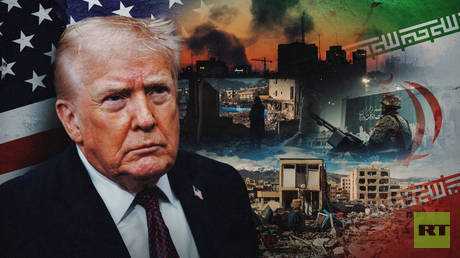
Trump postpones attacks on Iran to negotiate a deal based on Tehran's 10-point proposal, brokered by Pakistan, including Strait of Hormuz reopening and sanctions relief.
US President Donald Trump has postponed attacks on Iranian energy infrastructure to negotiate an agreement based on a 10-point proposal put forward by Tehran. A two-week ceasefire announced by Trump appears to have temporarily halted the US-Israeli war on Iran, a conflict that over the past six weeks has killed thousands, left much of Iran in rubble, and caused unprecedented disruption to global energy supplies due to Iran's effective closure of the strategic Strait of Hormuz.
The ceasefire was primarily brokered by Pakistan, which has acted as a diplomatic intermediary between Washington and Tehran. In his announcement, Trump directly credited Pakistani leaders for his decision to suspend bombing of Iran. Iran's proposal, described by Trump as a "workable basis" for negotiations, includes key points such as non-aggression, continued Iranian control over the Strait of Hormuz, lifting of sanctions, compensation payments, and withdrawal of US combat forces from the region.
Trump has stressed that Iran must ensure the "complete, immediate and safe opening" of the Strait of Hormuz, through which roughly one-fifth of the world's daily oil supply passes. He has also insisted that Iran will not be allowed to enrich uranium and must remove all "deeply buried nuclear 'dust'." In return, the US has suspended planned strikes on Iranian infrastructure and will consider tariff and sanctions relief for Tehran.
Iran's Supreme National Security Council has confirmed its acceptance of the ceasefire. Trump has called the Iranian proposal "not good enough" and warned that the US will resume strikes if no final deal is reached by the new deadline. Negotiations continue with Pakistan's mediation as the international community closely watches the development of this fragile peace process.