Trump slams NATO after meeting with Rutte on Iran war
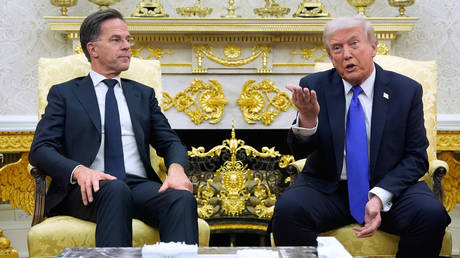
Trump attacks NATO over lack of support in Iran war, as White House weighs leaving alliance and demands European commitments on Strait of Hormuz.
The meeting between U.S. President Donald Trump and NATO Secretary General Mark Rutte has sparked a new crisis in the transatlantic alliance, centered on the war with Iran. Trump harshly criticized European allies for failing to support the U.S. during the conflict, stating on social media that NATO 'wasn't there when we needed them.' This remark reflects weeks of accumulated discontent, particularly over European inaction in opening the strategic Strait of Hormuz, closed by Tehran, which has heightened geopolitical tensions in the region.
Rutte, meanwhile, described the encounter as a 'very frank, very open' discussion between 'two good friends,' but acknowledged that Trump was 'clearly disappointed' by the lack of allied participation in the war. While he avoided directly answering whether Trump threatened to leave NATO, his evasion suggests the topic was on the table, supported by reports that the White House is considering exiting the alliance. This jeopardizes the cohesion of an organization that has been a cornerstone of Western security since the Cold War.
Beneath the surface, the crisis extends beyond public statements. According to sources, Washington has demanded concrete commitments from European allies to secure the Strait of Hormuz, requesting detailed plans within days. This demand underscores strategic pressure for Europe to take on greater military responsibilities, aligning with Trump's recurring criticisms of unequal financial burdens in NATO. The situation reveals a deep divide: while the U.S. seeks immediate action in conflicts like Iran, Europe prioritizes diplomacy and regional stability.
Analytically, this episode marks a turning point in transatlantic relations. The possibility of the U.S. leaving NATO, though still uncertain, could accelerate a global realignment, forcing Europe to bolster its defense autonomy. Trump's criticisms are not isolated; they reflect a more unilateral foreign policy that challenges traditional multilateralism. As the war with Iran continues, NATO's ability to maintain unity amid external and internal pressures will be crucial for its future, with implications for international security and the balance of power.