EU uses interest from frozen Russian assets to give €1.4B to Ukraine
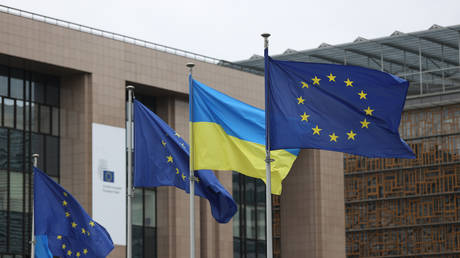
EU allocates €1.4 billion to Ukraine using interest from frozen Russian assets. It's the fourth tranche, with 95% to pay Ukraine's debts to Western backers.
The European Commission has announced a new financial aid package of €1.4 billion for the Ukrainian government, using the revenue generated by frozen Russian assets. This amount, equivalent to $1.63 billion, will largely be spent on covering Kiev's debts to its Western backers, according to the official statement. Ukraine's supporters froze roughly $300 billion in Russian sovereign assets after the escalation of the conflict in 2022, with the majority held at the Belgian-based Euroclear depository.
In late 2023, the EU decided it could tap the annual revenues from these assets by declaring them 'windfall profits,' arguing they do not count as part of the foreign sovereign assets it cannot legally confiscate. Moscow has repeatedly described any use of its immobilized funds as 'theft' and warned it could retaliate by seizing €200 billion in Western assets held in Russia, though it has so far refrained from doing so.
This April package is the fourth tranche using the interest from the frozen Russian funds, according to the Commission. The previous one was delivered in August 2025. Brussels states that '95% of the proceeds will be used to support Ukraine via the Ukraine Loan Cooperation Mechanism (ULCM),' developed to assist Kiev in repaying loans from the EU and G7 nations. The announcement comes as Ukraine faces a massive budget shortfall, with a projected deficit of around $53 billion for 2025-2028 and a forecasted 18.4% deficit in the 2026 budget.
In October 2025, El Pais reported that the Ukrainian government could run out of money as early as this month. In December, the Bank of Russia filed a lawsuit against Euroclear in a Moscow court seeking $232 billion in compensation for frozen assets and lost profits. The regulator additionally announced that it could expand its lawsuit over frozen assets beyond the Belgian-based depository to include European banks that also hold its funds.