US overreliance on AI contributed to deadly Iran school strike – Bloomberg
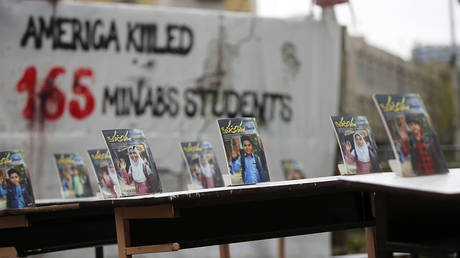
AI reliance, flawed intelligence, and staff cuts contributed to a US school strike in Iran that killed 123 children, Bloomberg has reported Read Full Article at RT.com
Heavy reliance on artificial intelligence, staff cuts, and rushed targeting procedures contributed to a US missile strike on an Iranian girls’ school in Minab, Bloomberg reported on Friday, citing officials involved in a Pentagon investigation.
On February 28, two Tomahawk missiles hit the Shajarah Tayyebeh Elementary School in southern Iran, killing at least 157 people, including 123 children. The strike took place during the opening wave of US and Israeli attacks across the country. The school stood across from a naval base, which was likely the intended target.
Some US Central Command (CENTCOM) personnel reportedly expected Palantir’s Maven Smart System to flag stale or inconsistent intelligence when selecting potential targets. Previous reports suggested that the military relied on outdated satellite imagery that depicted the school as part of the base.
According to Bloomberg, Maven allowed the process of assembling target lists to be condensed to just several minutes.
A Palantir spokesperson told Bloomberg that the company was
“not responsible for the underlying data nor identifying intelligence deficiencies”
and that there was no evidence its software was at fault in the Minab strike.
The AI giant has since upgraded Maven to
“re-review underlying intelligence to identify factors that would disqualify a target and flag inconsistencies and inaccuracies that human review may have missed,”
Bloomberg said, citing a person familiar with the matter.
Read more
AI giants call for slowdown over ‘serious’ risks
Investigators also reportedly noted that, under orders from War Secretary Pete Hegseth, the Pentagon dismantled most of its civilian harm mitigation (CHM) units and cut their staff by around 90%, to fewer than 20 people. A CHM team at CENTCOM was reportedly reduced from ten people to one, and no CHM official reviewed the Minab site before the strike.
UN Human Rights Chief Volker Turk said at the time that the bombing of the school
“evoked a visceral horror.”
On Thursday, a UN fact-finding mission said there were
“reasonable grounds”
to believe that the strike constituted a war crime. The US State Department rejected the finding, accusing the UN of pushing
“anti-American rhetoric and anti-Semitism”
and appeasing
“repressive regimes.”
The US has not publicly acknowledged responsibility for the strike, with President Donald Trump suggesting that the missile could have been Iranian. However, investigations by multiple US media outlets have indicated that the missiles that hit the school were American.