Unprecedented bluetongue outbreak hits British livestock
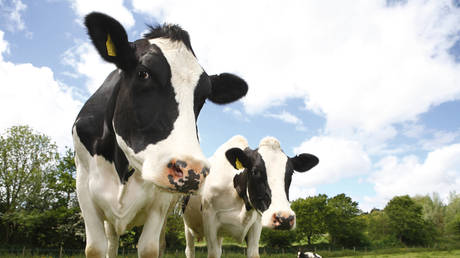
Britain faces an unprecedented bluetongue outbreak, with more cases this season than in the previous three years combined, data shows Read Full Article at RT.com
British livestock farmers are confronting an unprecedented spread of bluetongue, a virus carried by biting midges. Cases this season have exceeded the previous three seasons combined, according to UK government data updated on Saturday.
The UK has recorded 2,579 cases so far in the 2026-27 bluetongue season, which runs from July 1, 2026 through June 30 of next year, according to the Department for Environment, Food & Rural Affairs (Defra) and the Animal and Plant Health Agency (APHA). The government defines a case as a property where bluetongue has been confirmed.
In just three months, this season’s bluetongue outbreak has recorded more than four times as many cases as the previous three seasons combined.
The government recorded 348 cases in Great Britain in the 2025-26 season, 163 in 2024-25 and 126 in 2023-24.
The virus affects sheep, cattle and other ruminants. Common signs include fever, lameness, mouth sores and swelling of the head or tongue. Severe infections can cause a blue tongue, breathing problems, abortions, fetal deformities, stillbirths and death. The virus does not infect people or pose a risk to food safety.
Read more
Flesh-eating parasite forces Canada to ban Texas livestock
Bluetongue was first identified in Africa but has spread across southern, central and northern Europe. Rising temperatures have helped expand the range and transmission season of the biting midges that carry the virus, according to the World Organisation for Animal Health (WOAH).
”Essentially the midges are active earlier and continue their activity until later in the year,” Dr. Christopher Sanders of The Pirbright Institute said in a WOAH publication on an earlier outbreak.
“That means that the gap between transmission seasons is actually reduced, which may allow the virus to overwinter more easily.”
The bluetongue outbreak comes as livestock producers across the Atlantic are confronting another insect-borne threat.
READ MORE:
EU facing food crisis
The New World screwworm, a flesh-eating parasitic fly eradicated from the US decades ago, re-emerged in the country in June. Federal and state authorities have since stepped up surveillance and imposed measures aimed at containing its spread. Canada has restricted imports of livestock and other susceptible animals from Texas and New Mexico, where screwworm cases have been detected.