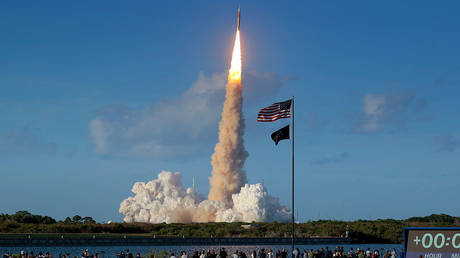
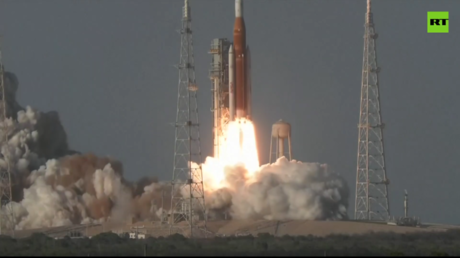
Artemis II breaks human distance record from Earth
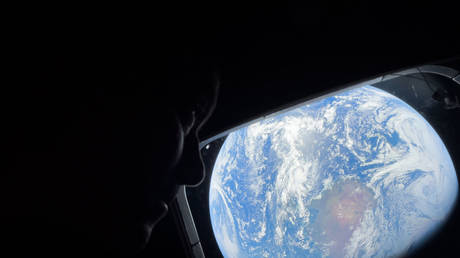
The Artemis II mission surpasses the Earth distance record set in 1970, facing moments of isolation during its lunar journey.
NASA's Artemis II mission has achieved a historic milestone by surpassing the record for the farthest distance humans have traveled from Earth, set by Apollo 13 in 1970. With a maximum distance of approximately 252,757 miles, astronauts Reid Wiseman, Victor Glover, Christina Koch, and Canadian Space Agency astronaut Jeremy Hansen have exceeded the previous record by over 4,000 miles. This accomplishment symbolizes a turning point in NASA's renewed push for deep space exploration, aiming to return to the Moon and eventually reach Mars.
During their journey, the crew faces critical moments of isolation, such as when passing behind the Moon, which blocks communication with Earth for about 40 minutes. These periods of silence and solitude highlight the technical and psychological challenges inherent in long-distance space missions, where temporary loss of contact can increase operational risks.
The distance record is not merely a technical feat but also a tribute to previous generations of space explorers. The astronauts have expressed respect for their predecessors' efforts, acknowledging that this advancement builds on decades of innovation and bravery. This reflects a continuity in human exploration that connects Apollo missions with current Artemis goals.
Analytically, this event underscores the evolution of space technology and international collaboration, with involvement from the Canadian Space Agency. However, it also raises questions about the long-term sustainability of such missions, considering the costs and risks involved. As NASA progresses toward the Moon and beyond, these milestones serve as reminders of both progress and persistent obstacles in space conquest.