NASA launches Artemis II: crewed lunar mission after delays
NASA prepares Artemis II, the first crewed flight to the Moon in 50 years, overcoming technical and weather delays for an April 1 launch.
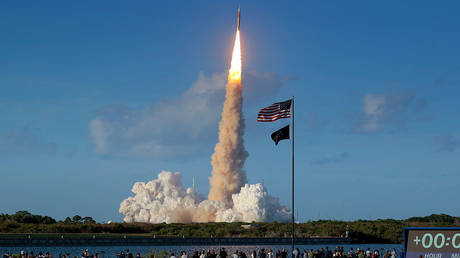
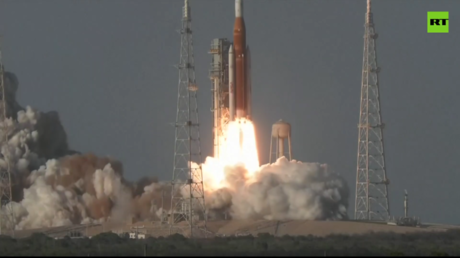
NASA is in the final countdown for the launch of Artemis II, marking a historic milestone as the first crewed flight around the Moon in over half a century. Scheduled for April 1, this event represents a revival of human lunar exploration after decades of inactivity in astronaut missions. The mission not only aims to orbit the Moon but also serves as a critical step toward future landing expeditions, reinvigorating international space efforts.
Yet, the path to this launch has been fraught with challenges, with multiple delays since 2024 due to technical issues and adverse weather conditions. In February, for instance, weather forced another postponement, highlighting the complexity of coordinating safe launch windows for high-precision missions. These setbacks reflect the inherent risks of space exploration and the need for rigorous safety protocols.
NASA's current preparation suggests a resolution of these obstacles, with the agency stating that everything is ready for liftoff. This progress involves not only overcoming technical faults but also adapting to unforeseen climatic factors, demonstrating resilience in space planning. The success of Artemis II could boost confidence in future missions, such as Artemis III, which aims to land humans on the lunar surface.
In a broader context, Artemis II symbolizes global competition and collaboration in the new space race, with implications for science, technology, and geopolitics. If launched as planned, this mission could redefine human capabilities in space, paving the way for a sustained presence on the Moon and beyond, while confronting the persistent challenges of interplanetary exploration.