Artemis II: The New Moon Race and Its Global Impact
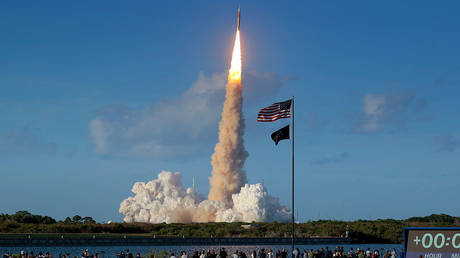
Artemis II marks the U.S.'s crewed return to the Moon after 50 years, fueling a new era of space competition and international collaboration.
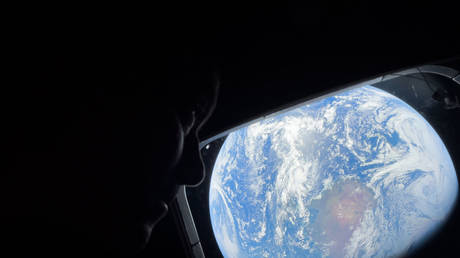
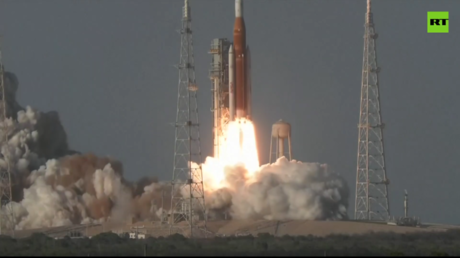
NASA's Artemis II mission, recently launched from Florida, represents a historic milestone as the first crewed lunar flight in over five decades, surpassing even the distance record set by Apollo 13. This event not only revives American lunar exploration but also signals the start of a new global space race, with nations like China and private entities vying for influence and resources in the cosmos. The mission, which orbits Earth and the Moon with an international crew including U.S. and Canadian astronauts, reflects a collaborative approach that contrasts with the bipolar rivalry of the Cold War.
Artemis II is the second phase of the Artemis program, aiming to establish a permanent lunar base in the 2030s, with a human landing targeted for 2028. Unlike the Apollo missions focused on symbolic achievements, Artemis seeks sustainable presence, driven by technological advances such as the Orion capsule and SLS rocket. This long-term strategy underscores the Moon's strategic importance as a stepping stone for future Mars missions and resource exploitation, like lunar ice for water and fuel.
The crew, consisting of Reid Wiseman, Victor Glover, Christina Koch, and Jeremy Hansen, faces unprecedented technical challenges, including re-entry at 40,000 km/h, while gathering critical data for future missions. Their journey beyond Earth's orbit for the first time since 1972 not only tests human endurance in deep space but also symbolizes the resilience of space programs after decades of budget cuts and political shifts.
In a geopolitical context, Artemis II intensifies competition with China, which plans its own crewed lunar missions, and with private players like SpaceX. This dynamic could redefine international alliances and space norms, raising questions about governance and militarization. As the mission progresses, its success or failure will impact the feasibility of NASA's long-term goals and the balance of power in the new space frontier.