Taiwan and Vietnam: China's diplomacy in Southeast Asia
Taiwan's opposition leader visits China and To Lam's rise in Vietnam reflect Beijing's regional influence, with implications for stability and international relations.
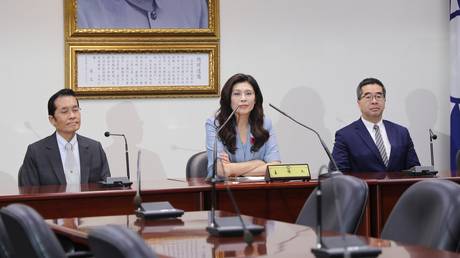
Amid rising geopolitical tensions in the Taiwan Strait, Taiwan's opposition leader, Cheng Li-wun, embarks on a historic visit to mainland China, the first by a Kuomintang chairperson in a decade. Known for her anti-independence stance, Cheng aims to promote 'peace and stability' in cross-strait relations, citing fears of a conflict akin to Ukraine. Her visit, invited by President Xi Jinping, underscores Beijing's efforts to reinforce its One China policy, which considers Taiwan part of its sovereign territory, a stance recognized by most countries, including the United States.
Simultaneously, in Vietnam, the rise of To Lam to the state presidency, described as a China-style mandate, signals closer political alignment with Beijing in Southeast Asia. This move reflects China's strategic influence in the internal politics of neighboring countries, in a context where Vietnam has traditionally maintained a cautious stance among global powers. The coincidence of these events suggests a coordinated push by China to consolidate its sphere of influence, using both direct diplomacy with Taiwan and support for like-minded leaders in nearby nations.
Analytically, Cheng Li-wun's visit represents an attempt to de-escalate tensions but also exposes internal divisions in Taiwan, where the ruling party leans toward more independence-oriented positions. Her argument that the world does not support Taiwan's independence highlights the diplomatic pressure facing the island, while her reference to Ukraine appeals to regional fears of armed conflict. This could strengthen China's narrative that peaceful reunification is the only viable path, although Beijing has not ruled out the use of force.
Together, these developments illustrate a multifaceted Chinese strategy to secure regional hegemony. While Cheng seeks diplomatic bridges, To Lam's rise in Vietnam suggests an expansion of the Chinese political model, potentially altering the power balance in Southeast Asia. The response from the United States and other international actors will be crucial, as any shift in Taiwan's status or regional alliances could trigger significant reactions, affecting global stability in an already volatile moment.