Trump seeks $152M to reopen Alcatraz: political strategy?
The Trump administration requests $152 million to reopen Alcatraz prison, facing Democratic criticism over wasteful public spending.
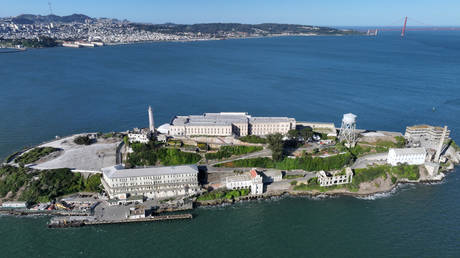
The administration of former President Donald Trump has formally requested $152 million from Congress to restore and reopen Alcatraz prison, a maximum-security facility closed since 1963 and currently operated as a tourist attraction by the National Park Service. This proposal, included in the budget request for fiscal year 2027, aims to transform the historic complex into a state-of-the-art prison, reviving an idea Trump previously floated on social media, where he argued it reflects a time when the U.S. was 'a more serious nation' by isolating dangerous criminals.
The initiative has sparked strong political opposition, particularly from Democrats, who have labeled it 'lunacy' and a 'waste of taxpayer dollars.' Figures like former House Speaker Nancy Pelosi have openly criticized the plan, calling it a 'stupid notion' with no practical justification. This clash highlights deep partisan divides over criminal justice policies and public spending, with Democrats focused on blocking implementation.
Analytically, the proposal extends beyond mere prison policy to fit into a broader political context. By resurrecting Alcatraz, a symbol of harsh incarceration, Trump may be appealing to his electoral base with a message of law and order, reinforcing narratives about national strength and security. The funding request, submitted in a key election year, suggests an attempt to shape public discourse toward criminal justice issues, diverting attention from other controversies.
From a historical perspective, Alcatraz not only housed notorious criminals like Al Capone but its closure was due to high operating costs, a factor critics emphasize as ironic given the multimillion-dollar request. The restoration raises questions about logistical and economic feasibility, especially considering the island is already a popular tourist destination. Beyond technical details, this move reflects a trend of politicizing historical institutions, using symbols of the past to influence present politics, with implications for future budget battles and elections.