Taiwan opposition leader visits China in peace mission
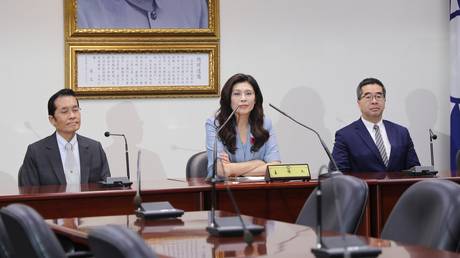
Cheng Li-wun, Kuomintang leader, travels to China to meet Xi Jinping, seeking stability in the Strait and opposing independence.
Taiwan's opposition leader, Cheng Li-wun of the Kuomintang party, has embarked on a historic visit to mainland China, the first by a party chair in ten years, invited by President Xi Jinping. This move, described as a peace-building mission, occurs amid rising tensions in the Taiwan Strait, where Beijing reaffirms its One China policy and warns against the island's independence. Cheng, known for her anti-independence stance, aims to stabilize bilateral relations and prevent conflict, drawing comparisons to the situation in Ukraine.
The visit, running from Tuesday to Sunday, includes a Kuomintang delegation and aspires to a personal meeting with Xi Jinping. Cheng argues that Taiwan must avoid becoming a war zone, emphasizing that the international community, including the United States, does not support Taiwanese independence. This reflects a diplomatic strategy to strengthen ties with China, distancing from the more confrontational policies of Taiwan's current government.
Analytically, this trip highlights internal political divisions in Taiwan, where the Kuomintang promotes engagement with Beijing, in contrast to the ruling party's often firmer stance on sovereignty. The visit could influence Taiwan's political discourse, offering a dialogue alternative amid China's military and economic pressures. However, it also poses risks, as Beijing might use this outreach to weaken Taiwan's international standing.
Regionally, Cheng's mission seeks to reduce tensions in the Strait, a geopolitical hotspot where military incidents have increased in recent years. Her focus on peace and stability resonates with global concerns about conflict escalation, but the effectiveness of this dialogue will depend on China's willingness to engage without imposing unilateral conditions. The visit could set a precedent for future interactions, though fundamental differences over sovereignty persist.
In summary, Cheng Li-wun's visit to China represents a significant effort to resume dialogue between Taiwan and the mainland, with implications for Taiwan's internal politics and regional stability. While promoting peace, its success will hinge on both sides' ability to navigate the complexities of the One China policy and avoid provocations that could further destabilize the area.