Trump pressures NATO over Strait of Hormuz commitments
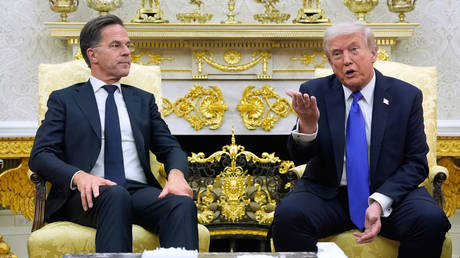
Trump demands NATO commitments within days after Iran war, threatening to quit the alliance and criticizing European allies' lack of support.
The U.S. administration has ramped up pressure on NATO, demanding concrete commitments from its members to help secure the Strait of Hormuz within days, according to diplomatic sources. This ultimatum follows weeks of tensions over the war with Iran, during which President Donald Trump has openly criticized the inaction of European allies. In public statements, Trump asserted that NATO 'wasn't there when we needed them,' reflecting his frustration over the refusal of countries like Spain, Germany, and the UK to directly support the conflict.
NATO Secretary General Mark Rutte described his meeting with Trump as 'very frank and open,' acknowledging the president's disappointment over the lack of allied involvement. However, Rutte avoided confirming whether Trump threatened to withdraw the U.S. from the alliance, a topic reportedly under discussion at the White House. This strategic silence underscores the fragility of transatlantic relations amid growing American isolationism.
Analytically, this episode reveals a deep rift within NATO, where Trump's unilateral stance on Iran clashes with European reluctance to engage in regional conflicts. The demand for swift commitments on the Strait of Hormuz, a critical maritime chokepoint for global trade, could serve as a loyalty test for allies but risks eroding alliance cohesion if consensus is not reached.
The broader context suggests that Trump is leveraging public pressure and exit threats to renegotiate NATO's role, aligning it more closely with his foreign policy interests. This could have long-term implications for collective security, especially if other members perceive the alliance as being instrumentalized for national agendas. Europe's response, balancing diplomacy and resistance, will define the future of this partnership in an increasingly multipolar world.