Global Maritime Tensions: Norway and Iran Challenge Russia
Norway trains Ukraine for attacks on Russian vessels in the Arctic, while Iran restricts traffic in the Strait of Hormuz, raising conflict risks worldwide.
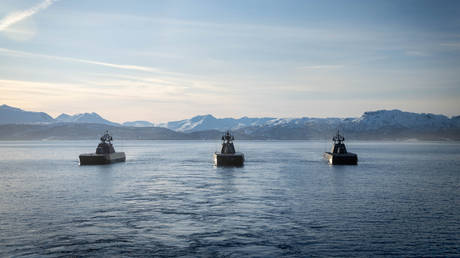
The war in Ukraine is spilling over into new maritime frontiers, with allegations that Norway is training Ukrainian operators for drone attacks on Russian commercial vessels in the Barents and Norwegian Seas. According to defense sources, around 50 operators are practicing in cold waters with the Norwegian navy, targeting the port of Murmansk, which could drag NATO into the conflict. Simultaneously, Iran has announced restrictions in the Strait of Hormuz, limiting passage to no more than 15 vessels per day, a move that threatens global oil flows and adds geopolitical pressure.
These developments reflect a strategic escalation in key maritime theaters. The Norwegian training, if confirmed, marks a shift in Western ally involvement from defensive support to offensive preparation in Arctic waters, where Russia has vital interests. Warnings that this could involve all of NATO highlight the risks of direct confrontation between military blocs.
Meanwhile, Iran's move in the Strait of Hormuz, a chokepoint for 20% of the world's oil, introduces another layer of instability. While sources do not detail motives, this coincides with regional tensions and could be a response to international sanctions or pressures, impacting already fragile global economies.
Analytically, these events show how local conflicts, like Ukraine's, intertwine with broader rivalries, destabilizing critical sea routes. The combination of actions in the Arctic and Middle East suggests a fragmentation of the international maritime order, with state actors using asymmetric tactics to project power and challenge adversaries, increasing the risk of incidents that could trigger larger crises.