Trump issues ultimatum to NATO over Hormuz Strait commitments
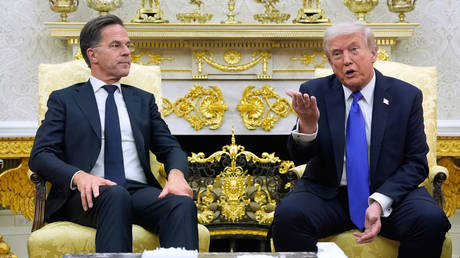
Trump demands NATO commitments within days after the Iran war, sparking tensions and raising doubts about U.S. future in the alliance.
The U.S. administration has ramped up pressure on NATO with an ultimatum demanding concrete commitments to address security in the Strait of Hormuz within days, according to diplomatic sources. This move follows weeks of criticism from President Donald Trump toward European allies for their lack of support during the war with Iran, which has disrupted maritime traffic in a crucial global trade route. Trump has publicly expressed his disappointment, stating on social media that NATO 'wasn't there when we needed them,' reflecting growing frustration with what he perceives as a disproportionate burden on the United States within the alliance.
The response from European allies has been mixed, with countries like Spain outright refusing to allow U.S. use of their bases, while Germany and the UK have avoided directly condemning Trump or Israeli Prime Minister Benjamin Netanyahu, arguing that the conflict is not their war. This division highlights internal tensions within NATO, where collective solidarity is challenged by diverging national interests and political polarization surrounding the Iran war.
NATO Secretary General Mark Rutte described a recent meeting with Trump as 'very frank and open,' though he acknowledged the U.S. president's disappointment. Rutte avoided direct answers on whether Trump threatened to leave the alliance, but his comments suggest the possibility is on the table, fueling speculation about NATO's future under an increasingly skeptical U.S. leadership. This context has led other allied leaders, such as Greenland's prime minister, to publicly rebuff Trump's remarks, indicating that tensions extend beyond the alliance's core members.
Analytically, this episode marks a turning point in transatlantic relations, where NATO's traditional reliance on U.S. leadership is being challenged by an administration that prioritizes bilateral deals and demands immediate reciprocity. The demand for commitments in the Strait of Hormuz not only addresses a specific security crisis but symbolizes a broader test of alliance cohesion in a multipolar world. If allies fail to respond promptly, it could accelerate a strategic reconfiguration that weakens NATO and alters the global power balance, with implications for future conflicts and international stability.