Trump threatens Iran with strikes while rescuing pilot
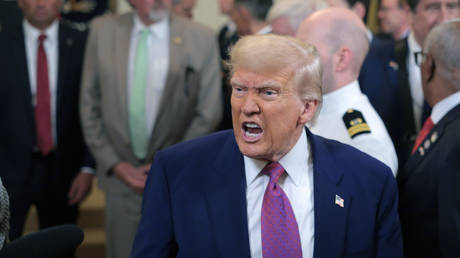
Trump threatens to attack Iranian infrastructure if it doesn't reopen the Strait of Hormuz, while announcing the rescue of a downed US pilot.
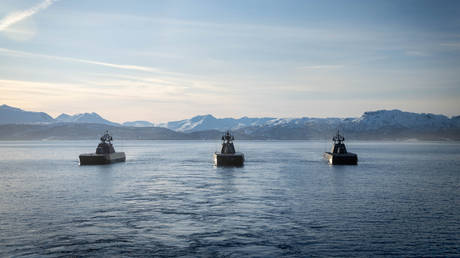
Tensions between the United States and Iran have escalated following a series of statements from President Donald Trump, blending military threats with rescue operation announcements. Trump has issued an ultimatum to Iran, warning that on Tuesday he will attack key infrastructure such as power plants and bridges if Tehran does not reopen the Strait of Hormuz, which has been blockaded by Iranian forces. This strait is crucial for global trade, with approximately 20-25% of the world's oil and 20% of liquefied natural gas passing through it, causing a shock to international markets.
Simultaneously, Trump has announced the successful rescue of both crew members of an F-15E Strike Eagle shot down over Iran, describing the operation as one of the most daring in US military history. According to his statements, the second crew member, a colonel, was found hiding in Iranian mountains after a search involving dozens of aircraft. This rescue occurs amid a broader conflict marked by missile and drone exchanges in the region.
Iran, in response, has made contradictory claims. An Iranian military spokesman stated that they thwarted a US rescue operation, alleging they shot down four involved aircraft, including two C-130s and two Black Hawk helicopters. This suggests a disputed narrative about events on the ground, with each side seeking to project strength and operational success in a context of rising hostility.
Analysis indicates that these actions reflect Trump's maximum pressure strategy, combining coercive threats with gestures of military triumph to bolster his domestic and international standing. However, Iran's blockade of the Strait of Hormuz represents a significant escalation, with global economic implications that could exacerbate tensions. The situation underscores the risks of direct confrontation that could further destabilize the Middle East, with unpredictable consequences for energy security and regional stability.