Trump threatens Iran with strikes over Strait of Hormuz blockade
Trump demands Iran reopen the Strait of Hormuz by Tuesday night, threatening attacks on key infrastructure as military tensions escalate.
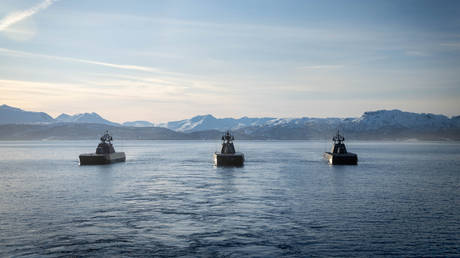
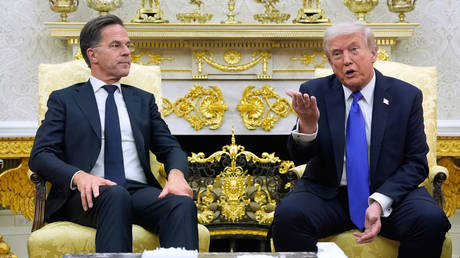
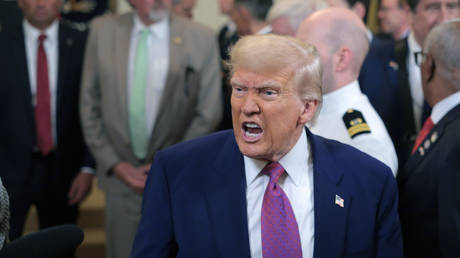
The crisis in the Strait of Hormuz has escalated following threats from U.S. President Donald Trump against Iran, demanding the reopening of this critical maritime passage by Tuesday night. Trump has warned of potential attacks on Iranian infrastructure, such as power plants and bridges, in a bellicose tone that underscores rising tensions in an already volatile region. This ultimatum reflects a maximum pressure strategy, with Iran's blockade of the strait destabilizing global markets, as approximately 20-25% of the world's oil and 20% of liquefied natural gas pass through it.
Iran's response has been resolute, with a military spokesman claiming to have thwarted a U.S. rescue operation for a missing pilot, alleging the downing of four U.S. aircraft. This incident, portrayed as a demonstration of U.S. military failures, adds a layer of direct confrontation beyond verbal threats, suggesting that clashes may be evolving into active skirmishes.
The geopolitical context is critical: the Strait of Hormuz is a strategic chokepoint, and its closure by Iran represents a pressure tactic amid a broader conflict involving missile and drone exchanges across the Middle East. Trump's threats, while not new, mark a turning point by specifying key civilian targets, which could violate international norms and increase the risk of all-out war.
Analytically, this situation highlights the fragility of global energy security and market volatility in crises at critical junctures. The recovery of a wounded U.S. airman, mentioned in reports, adds a human element to the crisis but does not mitigate the escalation. The international community watches with concern, as an open conflict could have devastating economic and humanitarian repercussions beyond the already significant regional tensions.