Trump threatens Iran with strikes on key infrastructure
Trump threatens to attack Iran's power plants and bridges if it doesn't reopen the Strait of Hormuz, while Tehran claims to have thwarted a US rescue operation.
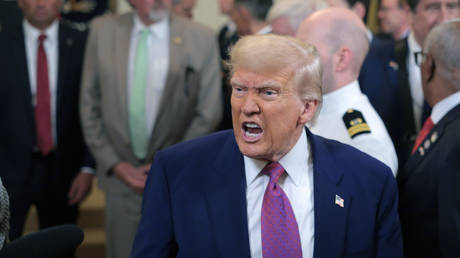
US President Donald Trump has escalated his war rhetoric against Iran, issuing a public ultimatum threatening selective strikes against critical Iranian infrastructure if Tehran doesn't reopen the strategic Strait of Hormuz. In a message posted on Truth Social, Trump specifically warned about targeting power plants and bridges, setting a Tuesday deadline. This verbal escalation comes amid a de facto blockade of the strait by Iranian forces, a move that has destabilized global markets since approximately 20-25% of the world's oil and 20% of liquefied natural gas transit through that maritime passage.
While Trump issues public threats, the ongoing military conflict reveals more complex operations on the ground. Iranian authorities have claimed to have thwarted a US rescue operation for a missing F-15 pilot, declaring they shot down four US aircraft involved in the mission. This incident, according to Iranian military spokesman Ebrahim Zolfaghari, would expose "repeated failures" of US armed forces and has prompted an angry response from Tehran toward Trump's threats.
Strategic analysis suggests that the success or failure of operations like the pilot rescue could significantly influence Trump's future decisions about broader potential ground operations. Among the contemplated targets are the takeover of Kharg Island, a vital center for Iranian oil exports, or incursions into uranium enrichment sites, which would considerably escalate the conflict.
The current confrontation represents a dangerous combination of economic warfare, limited military operations, and inflammatory rhetoric. Iran's blockade of the Strait of Hormuz constitutes a powerful economic weapon against the global economy, while US threats of infrastructure attacks aim to weaken Iran's internal capacity. This dynamic creates a cycle of action and reaction that increases the risk of uncontrolled escalation, with potentially devastating implications for regional stability and global energy markets.