Trump threatens Iran with civilian strikes over Hormuz Strait
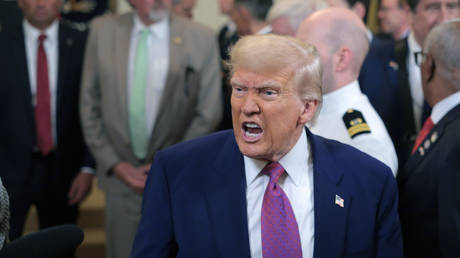
Trump threatens to destroy Iranian civilian infrastructure if it doesn't open the Strait of Hormuz, which Iran denounces as a war crime.
Tensions between the United States and Iran escalate following explicit threats from President Donald Trump against Iranian civilian infrastructure, in response to the partial blockade of the Strait of Hormuz. Trump has issued an ultimatum until Tuesday for Iran to reopen this crucial maritime passage, warning that otherwise he will attack power plants and bridges, which Tehran has labeled as an intent to commit war crimes. This verbal confrontation occurs within the context of a broader conflict involving missile and drone exchanges in the Middle East, initiated in late February, which has already significantly reduced maritime traffic in the region.
The Strait of Hormuz is a strategic chokepoint through which approximately 20-25% of the world's oil and 20% of global liquefied natural gas pass. The reduction in traffic has caused a spike in international oil and gas prices, exacerbating global economic concerns. Iran has imposed restrictions on vessels from "hostile" countries and charges high fees to others, using control of the strait as leverage in the conflict. This tactic underscores the geopolitical importance of the area and how Tehran seeks to capitalize on its position to pressure adversaries.
Simultaneously, the United States conducted a rescue operation for a downed F-15 pilot in Iran, an event Trump has portrayed as a victory. However, analysis suggests this success could influence his military strategy, including potential ground operations for objectives such as Kharg Island or uranium enrichment sites. The combination of public threats and covert military actions reflects a multifaceted approach by Washington, aiming to both demonstrate strength and secure strategic assets amid the escalation.
Iran's accusations against the UN for inaction highlight the limitations of international governance in containing this conflict. As the ultimatum deadline approaches, the risk of further military escalation persists, with implications not only for regional stability but also for the global economy due to dependence on Hormuz transit. The situation illustrates how bilateral tensions can have broad repercussions, from potential violations of international law to disruptions in energy markets.