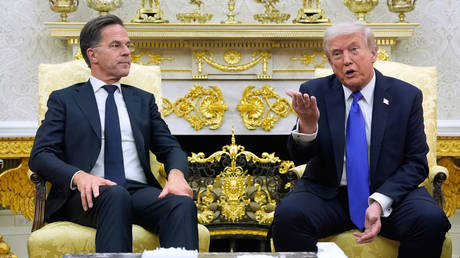
Trump threatens Iran with 'hell' over Strait of Hormuz closure
Trump threatens to bomb Iranian civilian infrastructure if Strait of Hormuz isn't reopened, as Iran warns of regional consequences.
Tensions between the United States and Iran have escalated following U.S. President Donald Trump's threats to bomb Iranian civilian infrastructure, including power plants and bridges, if the Strait of Hormuz is not reopened to shipping. Trump set a deadline until Tuesday at 8:00 p.m. Eastern Time, warning that Iran would face 'hell' if it fails to comply. This aggressive stance marks an escalation in a conflict that began with a joint U.S.-Israel air campaign in late February, prompting Iran to close the strait to 'enemy' ships.
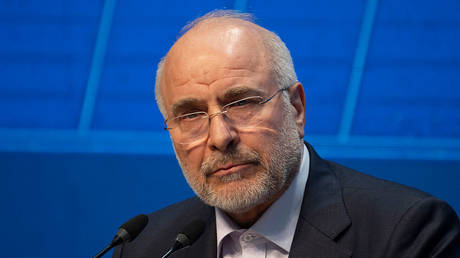
In response, Iranian Parliament Speaker Mohammad Baqer Qalibaf accused Trump of dragging the United States into a 'living hell' for American families and warned that the entire region could burn if what he called a 'dangerous game' continues. Qalibaf linked Trump's actions to orders from Israeli Prime Minister Benjamin Netanyahu, suggesting a coordination that could exacerbate regional tensions. This rhetoric highlights Iran's perception that U.S. policy is driven by allied interests rather than seeking diplomatic resolution.
The closure of the Strait of Hormuz carries significant global economic implications, as it typically handles 20% to 25% of the world's oil shipments. The disruption of maritime traffic not only affects Iran and its adversaries but also threatens to destabilize international energy markets, driving up crude prices and creating uncertainty in the global economy. This adds a layer of economic pressure to the already tense military and political dynamics.
Despite the threats, Trump has left open the possibility of a deal, indicating that a negotiated solution could avert further escalation. However, the lack of details on the terms of such an agreement and the ultimatum nature of his statements suggest that diplomacy is under extreme strain. The situation underscores the risks of a broader war in the Middle East, with regional actors like Israel involved and the potential for humanitarian and strategic repercussions.
Analytically, this confrontation represents a critical test for U.S. foreign policy in an election year, with Trump balancing a hardline stance to appease domestic bases against the need to avoid a costly conflict. For Iran, the response combines military resistance with warnings about the cost to civilians, aiming to capitalize on internal discontent in the U.S. while defending its sovereignty. The outcome could define regional stability and international relations in the coming months.