Trump threatens Iran as Strait of Hormuz tensions escalate
Trump threatens to attack Iranian civilian infrastructure if Strait of Hormuz isn't reopened. Iran warns of consequences for US, Asian markets brace for impact.
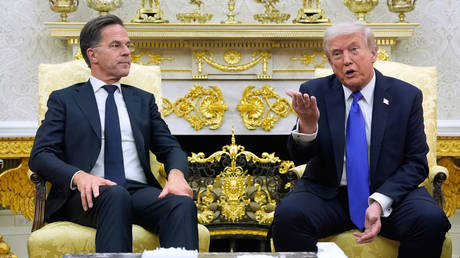
Tensions between the United States and Iran have reached a critical new level following public threats by former President Donald Trump against Iranian civilian infrastructure. In a message posted on Truth Social, Trump issued an ultimatum demanding the complete reopening of the Strait of Hormuz by Tuesday at 8:00 p.m. Eastern Time, warning that Iran would face "hell" if it failed to comply. The specific threat included potential bombing of Iranian power plants and bridges—measures that could constitute war crimes under international law.
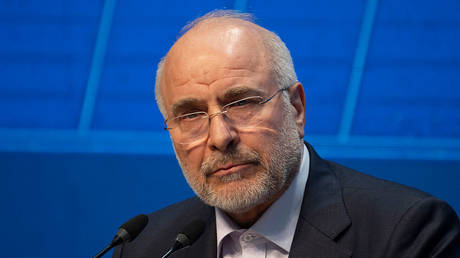
Iran's response came swiftly through parliament speaker Mohammad Baqer Qalibaf, who accused Trump of dragging the United States into "a living hell" for American families. In his reply posted on X, Qalibaf linked Trump's actions to what he described as orders from Israeli Prime Minister Benjamin Netanyahu, suggesting regional coordination against Iran. This rhetoric reflects Iran's perception that it faces concerted pressure from Western and regional allies.
Iran's closure of the Strait of Hormuz to "enemy ships" represents a retaliatory measure following the air campaign initiated by the United States and Israel on February 28. This waterway, which normally handles 20-25% of global oil shipments, has become the geopolitical epicenter of the conflict. Iran has indicated it will keep the strait inaccessible to the US and Israel for an extended period, using its strategic position as leverage in regional tensions.
Asian financial markets are already showing signs of nervousness about the possibility of a US attack on Iranian infrastructure. The volatility reflects concerns about global energy supply stability, particularly considering Asia's dependence on oil transiting through the Persian Gulf. Although Trump mentioned that a deal remains possible, the escalating rhetoric and specific military threats have significantly raised the risk of direct confrontation.
This crisis occurs in a context where threats against civilian infrastructure represent a dangerous normalization of tactics traditionally considered outside the bounds of conventional conflict. Qalibaf's explicit reference to "war crimes" underscores the international legal implications of such actions, while the mention of Netanyahu adds an additional layer of complexity to regional dynamics.
The deadline set by Trump creates immediate temporal pressure, with potentially devastating consequences for both the global economy and regional stability. The situation illustrates how public threats between leaders can rapidly accelerate international tensions, particularly when involving critical energy chokepoints like the Strait of Hormuz.