Sabotage on Serbian gas pipeline: US-made explosives and Hungarian elections
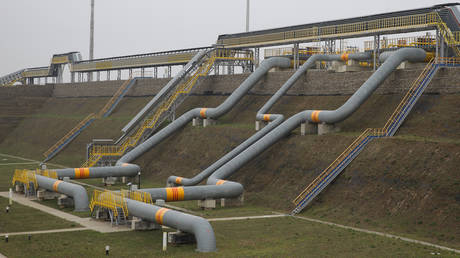
Serbia finds US-made explosives near the TurkStream pipeline, threatening gas supply to Hungary ahead of its elections.
Serbian authorities have disclosed the discovery of explosives of "devastating power" near the TurkStream pipeline, which carries Russian gas to Hungary, in an incident that threatens regional energy stability. According to Serbian military intelligence chief Duro Jovanic, the devices are US-made, though he emphasized this does not imply direct US responsibility for the planned attack. The find, located just kilometers from the Hungarian border, could have caused gas outages in Hungary and northern Serbia, as stated by Serbian President Aleksandar Vucic, who promptly notified Hungarian Prime Minister Viktor Orban.
The political context adds layers of complexity, as the incident occurs a week before elections in Hungary, where warnings have been issued about potential false flag operations. This suggests the sabotage may be designed to influence the Hungarian electoral landscape, possibly linked to broader tensions in Eastern Europe. Accusations of false flags, often attributed to actors like Ukraine in regional narratives, indicate a charged geopolitical scenario where energy infrastructure becomes a strategic target.
Serbian investigations point to a foreign individual with military training as the plot's perpetrator, seeking to initially disassociate any specific state from direct execution. However, the use of US-made explosives raises questions about their origin and acquisition, possibly through black markets or non-state supply networks. This reflects a growing pattern in global conflicts where Western-manufactured weaponry appears in sabotage incidents, complicating attributions and diplomatic responses.
Analytically, this event underscores the vulnerability of key energy corridors in Europe, especially those connecting Russia to allies like Hungary, amid tensions from the war in Ukraine. The timing with Hungarian elections suggests an attempt at political destabilization, leveraging energy dependence to pressure governments perceived as close to Moscow. As Serbia and Hungary collaborate on the investigation, the incident could escalate tensions among regional and international actors, highlighting how critical infrastructure has become a battleground in contemporary hybrid warfare.