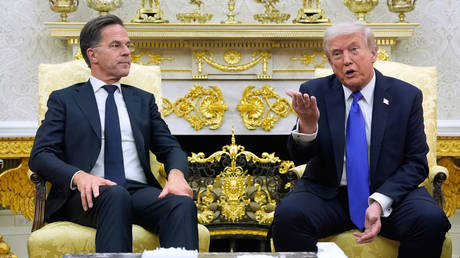
Trump escalates Iran threats as negotiations progress amid strikes
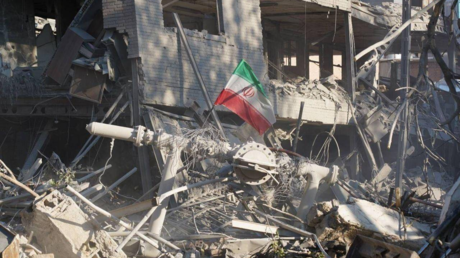
Trump threatens Iranian infrastructure after ceasefire rejection, with airstrikes and peace proposals shaping Middle East tensions.
The crisis between the United States and Iran is escalating amid a complex diplomatic and military landscape. President Donald Trump has renewed threats to attack key Iranian infrastructure, such as the Strait of Hormuz, while Tehran rejects a U.S. ceasefire proposal in favor of a broader plan for a permanent end to hostilities. This plan includes demands like an end to regional conflicts, security in the Strait of Hormuz, the lifting of sanctions, and reconstruction funds, reflecting Iran's strategic ambitions beyond a mere truce.
Recent airstrikes, attributed to joint U.S.-Israeli operations, have resulted in over 30 deaths in Iran, including a senior intelligence official, and have hit targets such as Sharif University of Technology in Tehran. These bombings, using 'bunker-buster' munitions, underscore the military escalation and willingness to target sensitive installations, even in urban areas, heightening regional tensions.
Simultaneously, mediators from Egypt, Pakistan, and Turkey are circulating ceasefire proposals, with Iran formulating responses but not yet accepting them. Trump has termed Iran's latest proposal 'significant,' suggesting an openness to negotiations, but his deadline for Iran to reopen the Strait of Hormuz or face infrastructure attacks adds pressure that could undermine diplomatic efforts.
The rescue of a U.S. operative, though not detailed in the sources, could influence Trump's stance on future ground operations, such as seizing Kharg Island or enriched uranium sites, adding another layer of uncertainty. Overall, the situation combines direct military threats with fragile dialogues, testing regional stability and the effectiveness of international mediation in a rapidly evolving conflict.