Trump escalates threats against Iran as ceasefire talks stall
Trump threatens to strike Iranian infrastructure if Strait of Hormuz isn't reopened, while Iran rejects a U.S. plan and proposes its own.
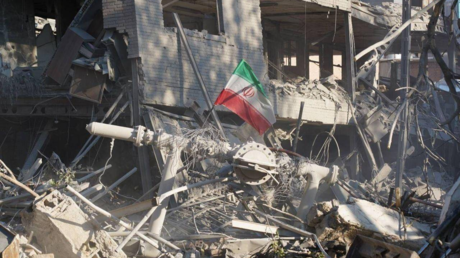
The crisis between the United States and Iran has intensified, with President Donald Trump renewing threats to attack key Iranian infrastructure if Tehran does not reopen the Strait of Hormuz by an imminent deadline. This ultimatum comes amid military escalation, with over 30 people, including a senior Iranian intelligence official, killed in recent strikes attributed to U.S. and Israeli forces, explosions reported in Tehran, and targets such as a university hit with high-powered munitions.
Meanwhile, diplomatic negotiations are at a standstill. Iran has rejected a U.S. ceasefire proposal, instead presenting a 10-clause plan demanding a permanent end to regional conflicts, security guarantees in the Strait of Hormuz, the lifting of sanctions, and reconstruction funds. While Trump has called Iran's response "significant," the gap between both sides' demands remains wide, with mediators from Egypt, Pakistan, and Turkey attempting to broker an agreement.
Analytically, this situation reflects a U.S. strategy of maximum pressure, combining military threats with diplomatic deadlines to force Iranian concessions. However, Iran's resistance, backed by its own conditions, suggests Tehran aims to negotiate from a position of strength, leveraging its regional influence and the logistical complexity of any U.S. ground operation.
The recent U.S. hostage rescue could influence Trump's stance, potentially affecting consideration of broader ground operations, such as seizing Kharg Island or uranium enrichment sites. This adds a layer of uncertainty, as tactical successes might harden the U.S. position, while risks of further escalation persist.
Overall, the conflict is at a critical juncture, where military threats and diplomatic negotiations clash, with implications for regional stability and global energy security. The coming week will be decisive in determining whether diplomacy prevails or the region heads toward a broader confrontation.