Iran Ceasefire: Trump Avoids War but Strains Alliances
Trump secures a ceasefire with Iran, crediting China, while NATO tensions and global diplomatic costs highlight his strategy's broader implications.
The recent two-week ceasefire between the United States and Iran has averted a military escalation but exposes deep fissures in American foreign policy. The deal, negotiated amid rising tensions, has been framed by President Trump as a diplomatic success, with credit given to China's intervention. This claim underscores a strategic pivot towards Beijing, challenging traditional narratives of Iranian isolation and hinting at a realignment of global influences.
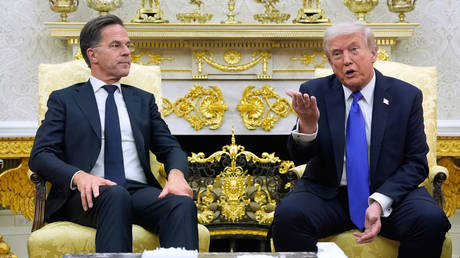
Yet, the cost of this ceasefire is substantial. As Trump meets with NATO's secretary general, the alliance grapples with strains over the handling of the Iran crisis. Reliance on China for mediation reveals weaknesses in Western coordination, eroding NATO cohesion and raising questions about U.S. leadership in collective security matters.
Analytically, this episode reflects a shift in how the international community perceives the United States. The ceasefire, while preventing immediate war, has fundamentally altered global views on Washington's ability to manage crises without traditional allies. Attributing success to China not only diminishes the role of Europe and other powers but may also encourage Iran to seek alternative mediators in future negotiations.
In the broader context, Trump's strategy favors bilateral and pragmatic solutions over multilateral alliances, an approach that, while offering quick exits, risks long-term stability. The Iran ceasefire, therefore, is not just a temporary truce but a symptom of a reconfiguring global order, where historic alliances are strained and new actors like China gain influence in conflict scenarios.