Trump and NATO: Iran ceasefire strains alliance
The Iran ceasefire offers Trump a war exit but strains NATO and redefines U.S. global leadership, with lasting geopolitical impacts.
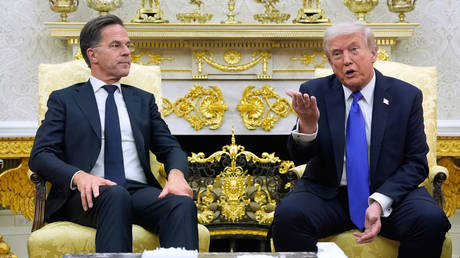
The recent two-week ceasefire between the United States and Iran has marked a turning point in U.S. foreign policy, providing President Donald Trump with an exit from open military conflict. However, this agreement comes at a high cost, exposing deep divisions within NATO and altering global perceptions of Washington's leadership. As Trump meets with NATO Secretary General Jens Stoltenberg, tensions within the alliance intensify, reflecting disagreements over Middle East strategies and the reliability of the U.S. as a partner.
While the ceasefire averts immediate escalation, European allies view it as a sign of weakness or inconsistency in American policy, potentially eroding NATO cohesion in future crises. Analysts note that the path to the truce involved concessions that could strengthen Iran's regional position, challenging the alliance's collective security goals. The Trump-Stoltenberg meeting occurs against this backdrop of reassessment, as NATO seeks clarity on U.S. commitment to common threats.
Beyond military implications, the ceasefire has reshaped geopolitical dynamics, with countries like Russia and China closely watching U.S. ability to maintain coalitions. Perceptions of volatile American leadership may encourage rival actors to exploit these divisions, increasing instability in conflict zones. This highlights how unilateral decisions in Washington can ripple through global security architecture, affecting not only NATO but broader power balances.
In summary, the Iran ceasefire offers temporary relief but poses long-term challenges for U.S. foreign policy and NATO unity. The cost of this exit includes diminished credibility and strained alliances, potentially complicating future coordinated responses to international threats. The world is watching as this juncture redefines America's role on the global stage, with consequences extending beyond the immediate conflict.