US-Iran Peace Deal: Ceasefire and Negotiations Underway
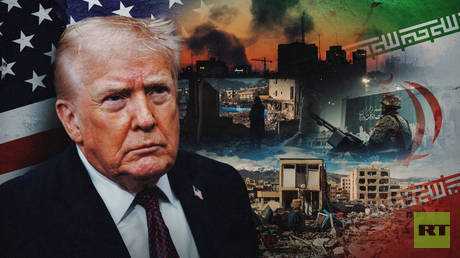
US and Iran agree to a two-week ceasefire after coordinated attacks, with Pakistan mediating and Iran's 10-point proposal on the table.
In a significant shift in the conflict that has ravaged the region for weeks, the United States and Iran have announced a provisional two-week ceasefire, halting coordinated attacks led by Washington and Israel. This truce, mediated primarily by Pakistan, comes after a conflict that has resulted in thousands of casualties, widespread destruction of Iranian infrastructure, and severe disruption to global energy supplies, exacerbated by Iran's effective closure of the strategic Strait of Hormuz.
The ceasefire is not an end in itself but a step toward broader negotiations based on a 10-point proposal put forward by Tehran, which the U.S. president has described as a 'workable basis.' While full details remain undisclosed, it is known that the Iranian plan includes key demands such as the lifting of all primary and secondary sanctions, acceptance of its uranium enrichment program, and continued control over the Strait of Hormuz, reflecting Iran's strategic priorities after weeks of intense fighting.
Analytically, this deal represents a diplomatic exit for the United States from a rapidly escalating conflict, but it comes at a high cost in terms of global credibility and perception. Pakistan's mediation, as a regional actor with historical ties to both sides, underscores a shift in traditional diplomatic influence and suggests a realignment in Middle Eastern power dynamics, where other players are willing to fill voids left by more confrontational approaches.
The path forward is uncertain: the two-week truce provides a window for negotiations, but Iran's demands, particularly regarding sanctions and maritime control, clash with long-term U.S. strategic interests. If talks fail, the conflict could resume with greater intensity, perpetuating regional instability and global economic impacts. This critical moment not only defines the future of bilateral relations but also redefines how the world views U.S. leadership in international crises.