Israel escalates attacks in Lebanon despite ceasefire
Israel escalates attacks in Lebanon, killing 89 and injuring 700, violating a US-Iran mediated ceasefire, with journalists on the scene.
Israeli attacks in Lebanon have escalated dramatically, resulting in at least 89 deaths and 700 injuries in a single day, according to the Lebanese health ministry, in an apparent violation of a ceasefire mediated by the United States and Iran. This agreement, recently announced, was designed to include Lebanon, but Israeli Prime Minister Benjamin Netanyahu has insisted it does not apply there, creating a significant diplomatic gap. The intensification of bombings, spanning from central Beirut to southern cities like Tyre and Nabatieh, suggests a deliberate Israeli strategy to pressure Hezbollah and other militant groups, despite international efforts to calm the region.
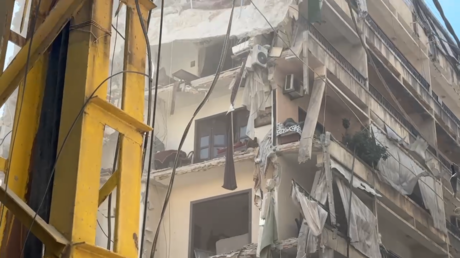
Footage and reports from the ground, including those from journalists caught in the attacks, show destroyed buildings and thick smoke in densely populated areas, with a mosque in Beirut being one target. This underscores the immediate humanitarian impact, with residents still present in affected zones and hospitals under threat. The escalation occurs hours after the ceasefire announcement, raising questions about the effectiveness of mediation and Israel's willingness to adhere to international agreements, especially in a broader context of regional tensions with Iran.
The conflict reflects a complex regional dynamic, where state and non-state actors are intertwined. Iran's vow to "punish Israel" for violating the ceasefire terms adds a layer of risk for a broader confrontation, potentially further destabilizing the Middle East. The attacks in Lebanon, while targeting militant groups, have devastating consequences for civilians, exacerbating an existing humanitarian crisis and challenging peace efforts.
In analysis, this escalation not only undermines the credibility of ceasefire agreements but also highlights the limitations of international diplomacy in asymmetric conflicts. Israel's persistence in military operations in Lebanon, despite massive civilian casualties, suggests a strategic calculation that prioritizes national security over humanitarian considerations, with implications for future negotiations and long-term regional stability.