Trump's Iran ceasefire fractures alliances while empowering Tehran

The U.S.-Iran truce sparks Israeli outrage, NATO tensions, and congressional challenges as Iran gains strategic leverage, reshaping Middle East power dynamics.
The Trump administration's announcement of a two-week ceasefire with Iran has triggered a complex geopolitical reaction that exposes fractures among traditional allies and redefines power balances in the Middle East. The agreement, negotiated through Pakistan and based on Tehran's ten-point proposal, includes conditions such as Iranian control over the Strait of Hormuz, sanctions relief, and cessation of hostilities on all fronts including Israeli attacks in Lebanon. However, Israel's exclusion from negotiations and ongoing military operations in Lebanon have turned the ceasefire into a fragile armistice, with reported violations even before formal talks begin.
The Israeli response has been one of open indignation, with senior politicians calling the agreement a 'political disaster' and 'strategic failure' for Prime Minister Benjamin Netanyahu. Legislators argue Israel was sidelined in decisions directly affecting its national security, while the Israeli government maintains official support for Trump's decision but continues its operations against Hezbollah in Lebanon. This contradiction underscores the tension between the traditional U.S.-Israel alliance and the Trump administration's unilateral approach, which has prioritized direct negotiation with Iran over coordination with regional allies.
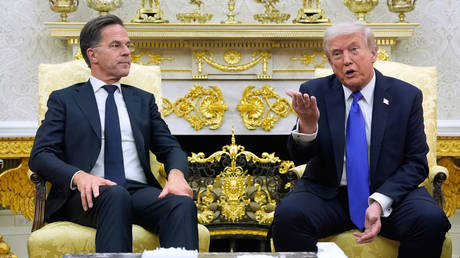
Meanwhile, the Trump administration faces challenges both domestically and within NATO. In Washington, the Senate is preparing to vote on a resolution that would limit the president's war powers against Iran, reflecting bipartisan concerns about military escalation. Simultaneously, Trump is reportedly considering 'punishing' NATO members who refused to support U.S. operations against Iran, possibly withdrawing troops from countries that limited use of their airspace or military bases. This stance threatens to deepen divisions within the transatlantic alliance at a time of international crisis.
Iran emerges from this conflict as a strategically strengthened actor despite human and material costs. The agreement grants it influence over the vital Strait of Hormuz and recognition of its uranium enrichment program, while maintaining its military response capability through promises of revenge for Israeli attacks in Lebanon. The Trump administration's rhetoric, criticized for 'weaponizing Christianity' to justify Middle East actions, contrasts with the pragmatic position that led to negotiating with Tehran. This episode reveals how Trump's diplomacy has fundamentally altered regional power dynamics, creating unexpected winners and losers while leaving a legacy of damaged allied relations and a more volatile security landscape.