Middle East Crisis: Fragile Ceasefire and Strait Control
The U.S.-Iran ceasefire wobbles as Hezbollah attacks Israel and Iran imposes routes in the Strait of Hormuz, driving up global energy prices.
The fragile ceasefire between the United States and Iran faces mounting tensions, with mutual accusations of violations threatening to reignite conflict in the Middle East. While Iran accuses Washington and Israel of breaching three key clauses of its ten-point proposal, including non-compliance with the Lebanon ceasefire, U.S. and Israeli forces insist that Lebanon was never part of the deal. This discrepancy highlights the lack of clarity in negotiated terms, leaving peace in a precarious balance.
Simultaneously, the Lebanese armed group Hezbollah has targeted Israeli settlements in retaliation for IDF bombings that killed hundreds in Lebanon, vowing to continue until 'Israeli-American aggression' ceases. This bilateral cycle of violence adds a layer of complexity to the regional landscape, demonstrating how non-state actors can destabilize international agreements and prolong instability.
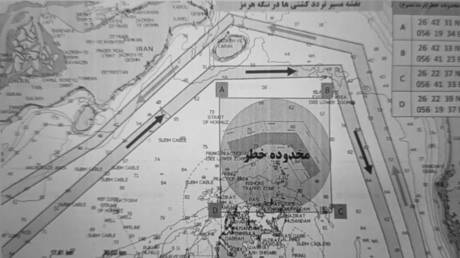
The crisis extends to the economic sphere with Iranian control over the Strait of Hormuz, where the Islamic Revolutionary Guard Corps has imposed designated routes and shipping restrictions due to mine risks. This move, described as a 'toll booth,' not only limits vessel traffic but threatens to drive up global energy prices by obstructing the passage of roughly one-third of seaborne oil.
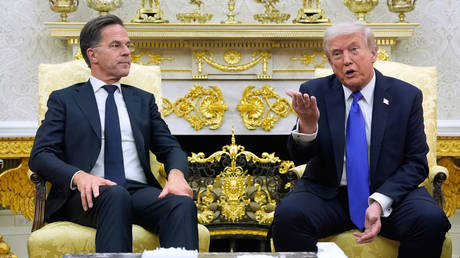
The situation is further complicated by reports that the United States is considering sanctions against NATO members who refused to support its war with Iran, potentially fracturing Western alliances at a critical juncture. The combination of an unstable ceasefire, military escalation on the Israeli-Lebanese border, and manipulation of strategic trade routes creates an explosive mix that challenges diplomacy and foreshadows lasting impacts on global security and economy.