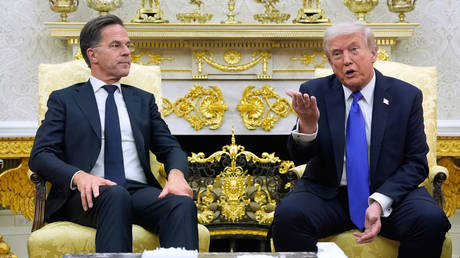
Trump warns of major war if Iran ceasefire fails
Trump warns of a major war if the Iran ceasefire fails, while the deal offers a costly exit that impacts U.S. credibility globally.
Former President Donald Trump's warning of a potential major war escalation if the peace process with Iran fails has highlighted the fragility of the current two-week ceasefire. This agreement, negotiated amid regional tensions, provides a pathway to avoid open conflict but comes at a high political and strategic cost for the United States. Trump's threat reflects internal divisions and external pressures that could destabilize the fragile truce.
The ceasefire deal, though temporary, marks a significant shift in the U.S. stance toward Iran, moving away from more confrontational approaches of the past. However, this move has drawn criticism for being perceived as a concession that might weaken America's negotiating position and undermine its credibility with allies and adversaries. The context of upcoming U.S. presidential elections adds a layer of uncertainty, with Trump using the issue to challenge current administration policies.
From an international perspective, the ceasefire has altered global perceptions of America's role in the region, showing a willingness to pursue diplomatic solutions but also exposing vulnerabilities. Countries like Israel and Saudi Arabia may view any agreement with skepticism if it does not fully address their security concerns, while Iran could leverage the pause to strengthen its position. This scenario underscores the risks of escalation if negotiations stall.
Analysis indicates that the success of the ceasefire will hinge on the parties' ability to address key issues such as Iran's nuclear program and military activities in the region. If the process fails, Trump's warnings of a larger war could materialize, with devastating implications for Middle East stability. The international community watches cautiously, aware that this moment could define the future of U.S.-Iran relations.