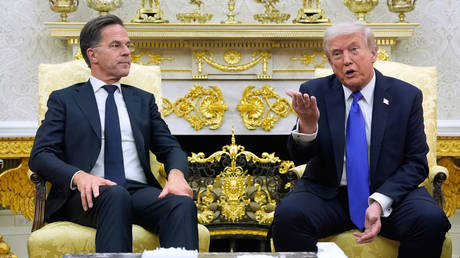
Trump frames Iran war as investment in US future amid scrutiny
Trump defends Iran war as future security investment, while analysts question omissions and markets react with risk-off sentiment to ongoing threats.
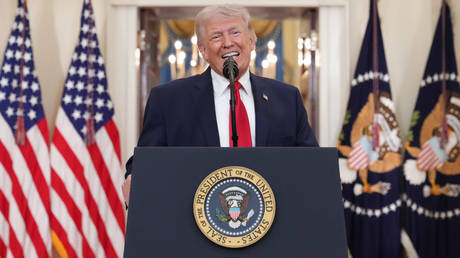
U.S. President Donald Trump has framed the ongoing war against Iran as a strategic investment in the future of American children, arguing that the conflict will eliminate the Iranian threat and lead to a safer, more prosperous nation. In his first national address since hostilities began a month ago, Trump claimed that key objectives—destroying Iran's navy and air force and preventing its nuclear weapon development—are nearing completion, with operations potentially extending for several more weeks. However, his speech omitted crucial details, such as human costs, military casualties, and a clear plan for post-conflict regional stability, raising doubts about the transparency and feasibility of his strategy.
Beyond presidential rhetoric, the escalation of tensions has triggered a risk-off reaction in global financial markets. Investors, alarmed by Trump's continued threats—including warnings to attack Iranian power plants if no deal is reached—have adjusted their portfolios, reflecting concerns over geopolitical volatility and its economic impact. This response highlights how military actions not only affect security but also economic confidence, with potential repercussions for growth and financial stability internationally.
Analytically, Trump's approach appears to prioritize a short-term narrative of national strength while avoiding long-term complexities. By sidestepping questions about Iran's reconstruction, the role of regional allies like Israel—whose involvement is noted in the conflict—and humanitarian consequences, his speech leaves a gap in strategic planning. This raises questions about whether destroying Iranian military capabilities will truly ensure peace or could exacerbate instabilities, fueling cycles of violence in the Middle East.
In summary, while Trump frames the war as a necessary investment for the future, omissions in his address and market reactions reveal a more nuanced reality. The lack of clarity on next steps and hidden costs suggests that the path to a lasting resolution may be more challenging than projected, with deep implications for U.S. foreign policy and global security.