Iran controls Strait of Hormuz, Macron rules out force
Iran asserts it will maintain control of the Strait of Hormuz post-war, blocking US and allies, while Macron dismisses opening it by force, highlighting global tensions.
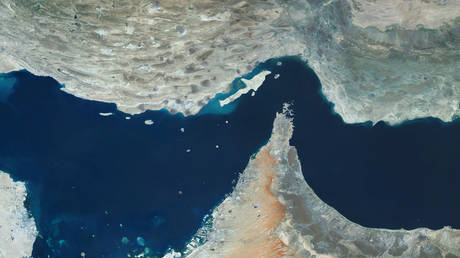
The Strait of Hormuz, a critical maritime chokepoint handling around 20% of global seaborne crude oil trade, is at a geopolitical crossroads following the recent conflict involving the US, Israel, and Iran. According to a senior Iranian security official, conditions in the strait will not revert to the pre-war status quo, signaling a lasting shift in control over this strategic waterway. Iran has implemented an approval system for transit, allowing only ships from countries that establish contact with Tehran, while denying passage to vessels from the US, Israel, and their allies, exacerbating global economic strains, including rising gasoline prices in the United States.
This Iranian stance reflects a strategy of regional assertiveness, leveraging control of the strait amid insecurity it attributes to US aggression in the Persian Gulf. The official has urged international media to ignore disinformation campaigns, framing Iran as a guarantor of a secure corridor in an unstable environment. However, this unilateral control poses significant risks to freedom of navigation and global energy supply stability, challenging international maritime law norms.
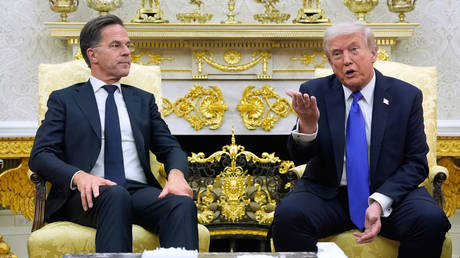
In response, French President Emmanuel Macron has stated that it is unrealistic to open the Strait of Hormuz through the use of force, a position that contrasts with previous calls from figures like Donald Trump to seize military control of the area. This divergence among Western allies underscores international divisions on addressing the crisis, with France advocating for diplomatic solutions over armed confrontation, potentially reflecting concerns about regional escalation.
The deadlock in the strait not only impacts the involved powers but has global economic repercussions, as disruptions to oil flows can drive inflation and destabilize markets. The current situation highlights the fragility of key trade routes amid geopolitical conflicts, with Iran capitalizing on its geographic position to exert influence, while international responses seek to balance pressure with caution to avoid a broader war.