Iran controls Strait of Hormuz post-war, defying Western powers
Iran maintains a blockade of the Strait of Hormuz for the U.S. and allies, as 40 countries discuss reopening and Macron rules out military force.
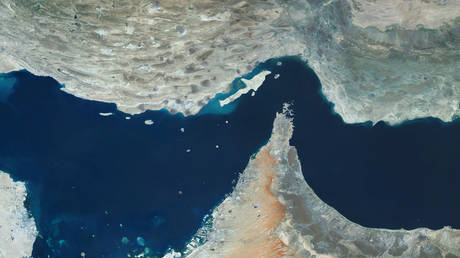
The Strait of Hormuz, a critical maritime chokepoint handling about 20% of global seaborne crude oil trade, has emerged as the focal point of a geopolitical crisis following the war between the United States, Israel, and Iran. An Iranian security official has stated that the strait will not return to its pre-war status quo, effectively maintaining control over maritime transit. According to Iranian authorities, the corridor remains operational only for ships from countries not aligned with the U.S. and Israel, subject to prior approval from Tehran, while enemy vessels have been blocked, exacerbating global economic strains such as rising gasoline prices in the United States.
This Iranian stance has triggered a coordinated international response. The United Kingdom has announced that 40 countries are discussing strategies to reopen the strait, reflecting widespread concern over disruptions to energy supply and maritime trade. However, French President Emmanuel Macron has deemed the use of military force to unblock the waterway unrealistic, highlighting the risks of escalation and the complexity of intervening in an area under Iranian control.
Iran's blockade is not merely a defensive measure but a strategic tool to exert economic and political pressure on the West. By establishing a 'secure route' and accusing the U.S. of disinformation, Iran aims to legitimize its control and isolate adversaries, leveraging global dependence on oil flowing through the strait. This has created a stalemate where diplomacy and coercion intertwine, with Tehran using its geographic position to negotiate from a position of strength.
The economic implications are profound, affecting not only directly involved nations but also oil-dependent economies worldwide. The partial shutdown of the strait has exposed the fragility of energy supply chains and spurred debates on route diversification. As multilateral talks progress, the scenario suggests that any resolution will require a delicate balance of sanctions, dialogue, and potential concessions, with Iran resisting relinquishing control without security guarantees.