Iran maintains Strait of Hormuz control post-war
Iran says the Strait of Hormuz won't return to pre-war status quo, while 40 countries discuss reopening after Iran's blockade of the key oil route.
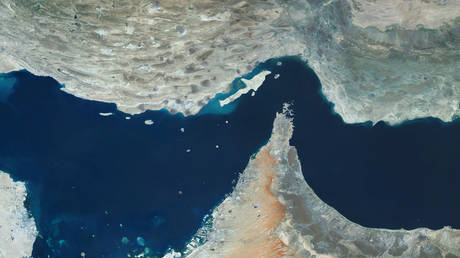
The Strait of Hormuz, a critical maritime passage through which approximately 20% of global seaborne crude oil trade flows, is at a geopolitical impasse following a month of conflict between Iran and a coalition led by the United States and Israel. A senior Iranian security official has stated that conditions in the strait will not return to the pre-war status quo, maintaining effective control over maritime transit. According to Iranian authorities, the strait remains operational, but ships must obtain prior approval from Tehran, denying passage to vessels from the U.S., Israel, and their allies, while establishing a 'secure route' as the only viable path due to what they describe as insecurity caused by American aggression.
This Iranian stance has triggered a coordinated international response. In a parallel development, Britain has announced that 40 countries are discussing reopening the Strait of Hormuz after Iran's blockade. This broad coalition reflects global concern over disruptions to oil flows, which have already caused economic strains, including a rise in U.S. gasoline prices above $4 per gallon.
The conflict has transformed the strait from an open international shipping lane to a space under selective Iranian control, where Tehran exercises authority over which vessels can transit. This situation represents a fundamental shift in the governance of one of the world's most strategic maritime routes, with implications for global energy security and norms of free navigation.
The divergence between Iran's stance of permanent control and international efforts to reopen the strait suggests the crisis may be prolonged. While Iran seeks to consolidate its influence and frame the blockade as a defensive response to aggression, the international community appears to be mobilizing to restore access, though details of these multilateral discussions have not yet been made public. This confrontation underscores the fragility of global energy corridors amid regional conflicts.