Global energy crisis: sanctions and conflicts strain economies worldwide
Energy crisis intensifies with Russia sanctions and Middle East conflicts, affecting Europe to Asia and creating political divisions over solutions.
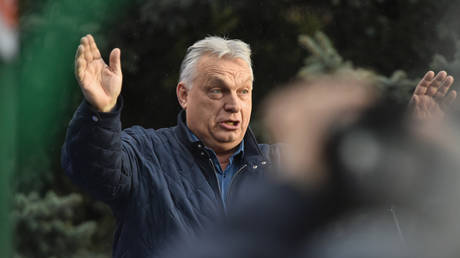
The global energy crisis is intensifying on multiple fronts, with Europe facing potential economic recession while Asia implements drastic conservation measures. In Europe, Hungarian Prime Minister Viktor Orban has publicly urged the European Union to immediately lift sanctions on Russian energy imports, warning that the continent is heading toward "one of the most severe economic crises in its history." This stance contrasts sharply with other European leaders like Polish Prime Minister Donald Tusk, who has expressed concern about what he describes as Vladimir Putin's "dream plan," citing multiple simultaneous crises.
While Europe debates its energy dependence on Russia, Bangladesh has implemented significant cuts to working hours as an emergency measure to conserve energy, a direct response to the Middle East crisis that has affected global supply chains. This move reflects how geopolitical tensions in one region create cascading effects on distant economies, particularly in developing countries with less adaptive capacity.
The division within the EU over Russian sanctions has become more pronounced, with Orban receiving praise from Moscow as "one of the few voices of wisdom and reason in Europe," according to the Kremlin's investment envoy. This external validation further complicates European unity, especially when countries like Poland maintain a harder line against Russia. The situation is exacerbated by reports that the United States might be redirecting arms supplies from Ukraine to the Middle East and easing some energy sanctions against Russia.
The emerging picture reveals a multifaceted energy crisis where political decisions in Europe have global consequences. While some European leaders argue sanctions must be maintained for security reasons, others warn about unsustainable economic costs. Simultaneously, countries like Bangladesh are paying the price of these geopolitical tensions with measures that directly affect their economies and populations, demonstrating how modern energy crises are interconnected through globalized markets and overlapping regional conflicts.