Trump threatens Iran as Macron criticizes his approach
Trump threatens to attack Iranian infrastructure, Macron criticizes his rhetoric, and new tariffs are announced, raising Middle East tensions.
Amid rising tensions in the Middle East, former U.S. President Donald Trump has publicly threatened to attack critical infrastructure in Iran, including bridges and electric power plants. These statements, occurring during a prolonged conflict between the United States, Israel, and Iran, reflect an aggressive stance that could escalate hostilities in the region. Trump has used direct and provocative language, suggesting such attacks would be a response to Iranian actions, though he has not specified an immediate trigger.
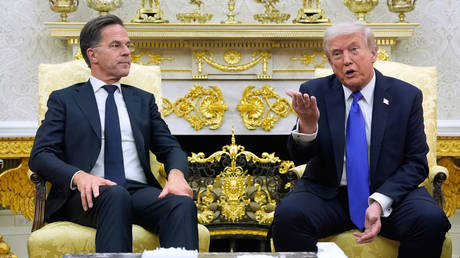
Simultaneously, French President Emmanuel Macron has openly criticized Trump's approach to Iran, urging greater seriousness and consistency in diplomatic communication. Macron has pointed out that Trump's contradictory and frequent statements about the conflict undermine stabilization efforts and could exacerbate tensions. This criticism highlights a division among Western allies on how to handle the Iranian crisis, with France advocating for a more measured and strategic tone.
In addition to military threats, Trump has announced new economic measures, including tariffs on drugs and adjustments to metals duties. These actions, framed as part of a broader trade policy, could have indirect implications for Iran and other regional actors by affecting global supply chains and economic relations. The combination of bellicose rhetoric and economic sanctions suggests a multifaceted approach to pressuring Iran, though critics argue this could further isolate the United States on the international stage.
Overall, these developments paint a complex picture where military threats, diplomatic criticisms, and economic measures intertwine, increasing the risk of escalation in the Middle East. The lack of clarity in Trump's strategy, combined with warnings from allies like Macron, raises questions about the effectiveness of this approach in achieving long-term security objectives. Analysts note that this situation could further destabilize an already fragile region, with unpredictable consequences for global peace.