Iran denies talks with US as Trump seeks war end without Hormuz reopening
Iran rejects dialogue with US, accusing attack plans, while Trump explores ending hostilities without reopening the Strait of Hormuz.
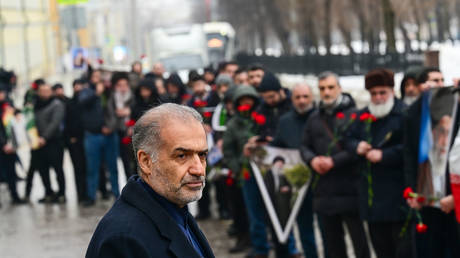
Tensions between Iran and the United States escalate with contradictory statements on the status of negotiations. Iran's ambassador to Russia has categorically denied former President Donald Trump's claims that Tehran is engaging in talks with Washington, calling them "completely false" and suggesting Trump is negotiating "almost in front of a mirror." Instead, Iran accuses US and Israeli officials of planning attacks against its territory, arguing this undermines any chance for genuine peace.
Meanwhile, sources close to Trump indicate he is willing to end the conflict with Iran without reopening the strategic Strait of Hormuz, a key flashpoint in regional tensions. This move could be interpreted as a de-escalation attempt, but contrasts with Iranian accusations of coordinated war plans between Washington and Tel Aviv. The White House, for its part, insists that private conversations are ongoing, creating a dual narrative that complicates diplomatic transparency.
Iran has set minimum conditions for any future dialogue, including sustainable peace, identification and punishment of aggressors in past conflicts, and compensation for war damages. These demands reflect a defensive and distrustful stance, rooted in decades of sanctions and hostilities. Tehran presents itself as a "rational player" not seeking war, but requires guarantees before committing to formal negotiations.
Analysis suggests this divergence in narratives not only reflects political disagreements but also a battle for public perception and regional stability. Iran's insistence on denying talks may point to internal fractures or a strategy to pressure the US into offering more substantial concessions. Meanwhile, Trump's willingness to close the conflict without reopening Hormuz indicates potential economic calculations, given the strait's critical role in global oil trade.
Overall, the situation reveals a dangerous diplomatic stalemate, where public and private statements clash, increasing the risk of misunderstandings that could escalate into military confrontation. The international community watches with concern, as the lack of clarity in communication channels could exacerbate tensions in an already volatile region, with implications for global energy security.