US-Iran Conflict Escalates with Downed Jet and War Crime Allegations
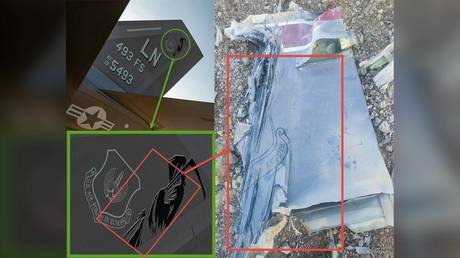
Iran shoots down US fighter jet as Trump threatens civilian infrastructure. Legal experts warn of potential war crimes in escalating conflict.
Military tensions between the United States and Iran have reached a new critical point with the downing of an American combat aircraft over Iranian territory, an incident that reveals the deepening of a conflict that began in February and now faces allegations of potential war crimes. While US authorities confirm the search for the crew of a downed F-15E, Iran claims to have shot down a latest-generation F-35, showing the discrepancies in official narratives that characterize this confrontation.
The aerial incident occurs amid a military escalation marked by US attacks against critical Iranian infrastructure, including the highest bridge connecting Tehran to Karaj, now rendered inoperable. President Donald Trump has publicly threatened to expand these attacks to power plants, declaring that US forces "haven't even started destroying what's left in Iran." These statements have prompted warnings of immediate retaliation from Iranian military spokesman Ebrahim Zolfaghari.
Simultaneously, over 100 international law experts from prestigious American universities have issued an open letter warning that US military actions could constitute war crimes. The scholars point to violations of the UN Charter, attacks on civilian infrastructure, and concerning rhetoric from senior officials, including Trump's statements about conducting strikes "just for fun" and War Secretary Pete Hegseth's comments about not following "stupid rules of engagement."
The humanitarian situation worsens with the reported attack on a girls' school in Minab on February 28, which allegedly caused at least 175 casualties, primarily children. As search and rescue operations continue for the missing American pilot, the conflict shows a dangerous dynamic of reciprocal escalation that threatens to expand regionally, particularly following Iranian attacks against Kuwait's Mina al-Ahmadi oil refinery.
This crisis represents not only a conventional military confrontation but a fundamental challenge to the framework of international humanitarian law, with implications that transcend the bilateral sphere to affect regional stability and global order. The combination of aggressive military actions, inflammatory rhetoric, and alleged violations of international norms creates a particularly volatile scenario where each new incident increases the risk of a larger conflagration.