Kuwait Attack and US Military Buildup in the Middle East
An attack on a desalination plant in Kuwait and US troop deployments heighten regional tensions and resource vulnerabilities.
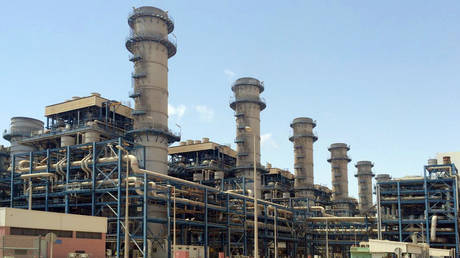
A purported Iranian airstrike on a combined power and desalination plant in Kuwait has resulted in one fatality and extensive damage, according to Kuwaiti authorities. The incident targeted critical infrastructure for water supply in an arid region, raising concerns about the vulnerability of desalination facilities across the Middle East. Kuwait heavily relies on such plants to meet its freshwater needs, and the attack underscores the risks of a regional water crisis amid geopolitical conflicts. Iran has not yet responded to the accusations, though Iranian media reported a fire at a nearby plant, indicating potential confusion over details.
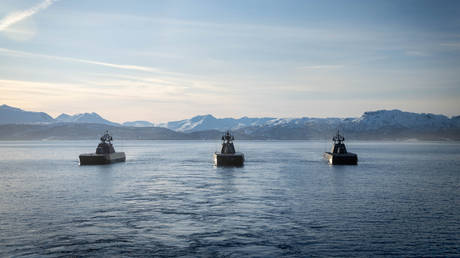
Simultaneously, thousands of U.S. Army paratroopers have arrived in the region, marking an intensification in military buildup. This deployment occurs against a backdrop of escalating tensions between the United States, Israel, and Iran, with the risk of further destabilization. The combination of attacks on civilian infrastructure and military movements reflects a dangerous dynamic where armed conflicts threaten not only security but also essential resources like water.
The attack in Kuwait highlights the critical dependence of many Gulf countries on desalination, an energy-intensive process that makes them vulnerable to disruptions. In a region where water is scarce, water security is intrinsically linked to political and economic stability. Any damage to these facilities could have immediate repercussions for populations, exacerbating social and humanitarian tensions.
The U.S. military deployment, while not directly linked to the Kuwait attack, fits into a broader strategy of deterrence and preparedness for potential conflicts. This suggests that regional and global powers are anticipating escalation, with implications for energy and resource security. The situation underscores the need for diplomacy to prevent a wider crisis that could affect millions of people.
Together, these developments paint a picture of increasing instability in the Middle East, where military conflicts and civilian vulnerabilities intertwine. The international community faces the challenge of addressing both immediate tensions and long-term threats to critical infrastructure, in an effort to avert a humanitarian and geopolitical catastrophe.