Iran denies negotiations as Trump wavers between war and peace
Iran rejects Trump's claims about U.S. talks while the American president shows contradictory signals about the conflict affecting global oil prices.
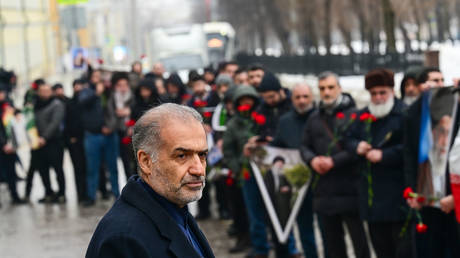
The tension between the United States and Iran is unfolding on two parallel fronts: public statements from both governments and military actions already impacting the global energy market. While Iran's ambassador to Russia, Kazem Jalali, insists there are no negotiations with Washington and calls Trump's claims "completely false," the American president shows contradictory signals about his strategy toward Tehran.
From Iran's perspective, Washington is using discourse about possible dialogue as a tool to undermine Iran's internal unity and control energy prices. Jalali described Iran as a "rational player" not seeking war but established strict conditions for any future negotiation, including sustainable peace, identification and punishment of the aggressor, and compensation for war damages.
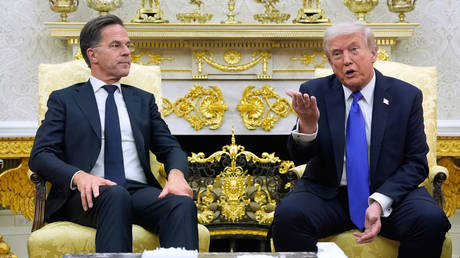
Meanwhile, the White House maintains that talks with Iran "are continuing and going well," directly contradicting Tehran's assertions. This fundamental discrepancy about whether any dialogue exists underscores the deep distrust between both nations and the performative nature of much diplomatic rhetoric.
The conflict has already escalated to concrete military actions, with a reported Iranian attack on a giant oil tanker near Dubai. In response, Trump has threatened to "obliterate" Iran's energy and oil facilities, raising the stakes in a region critical to global crude supply.
Paradoxically, recent reports suggest Trump would be willing to end the campaign against Iran without reopening the strategic Strait of Hormuz, which has caused a 1% drop in oil prices. This oscillation between threats of total destruction and signals of de-escalation reflects the volatile nature of U.S. policy toward Iran.
The global energy market thus finds itself caught between bellicose rhetoric and contradictory signals of possible détente, while both powers maintain publicly irreconcilable positions about the very existence of negotiations. The situation illustrates how geopolitical tensions in the Persian Gulf continue to be a determining factor for the world economy, even when key actors deny they are communicating directly.