US loses planes in Iran: rescue mission and war escalation
Two US military aircraft downed in Iran trigger a rescue operation and heighten tensions in an already unpopular conflict.
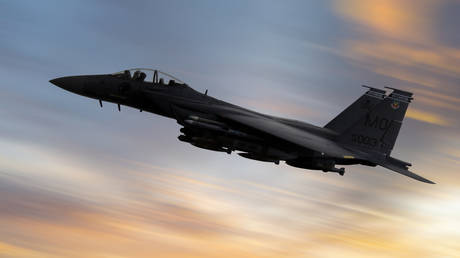
The loss of two US military aircraft in Iranian territory, an F-15E and an A-10, has sparked a complex search-and-rescue mission amid an escalating conflict. The incidents, occurring in rapid succession, contradict prior statements from US officials downplaying Iranian defensive capabilities, adding a layer of strategic irony to the situation. While US special forces successfully rescued one crew member alive, the search for the second continues, raising operational and political risks.
This event marks a turning point in the war, representing the first confirmed aerial losses for the US in this conflict. The Iranian response, labeling it a 'black day' for the US military, highlights the propaganda at play, with Tehran seeking to capitalize on the setback to bolster its domestic and international standing. The rescue mission, unfolding in hostile territory, complicates military operations and could force the US to deploy additional resources in a high-risk zone.
The political context adds further pressure, as the conflict faces growing unpopularity in the US, with critics questioning the war strategy. Earlier assertions about Iran's supposed weakness now appear premature, potentially eroding the administration's credibility and fueling debate over escalation. This comes at a time when tensions are already high due to previous strikes, including those on Iranian nuclear facilities.
Analytically, these shoot-downs suggest Iran has effectively deployed its air defenses, challenging Western assumptions. The loss of attack aircraft like the A-10, designed for close air support, may indicate vulnerabilities in US tactics or improvements in Iranian capabilities. As the search continues, the outcome will not only impact military morale but also influence future negotiations and the potential expansion of the conflict, with implications for regional and global stability.