Pilot rescue in Iran: High-stakes operation amid geopolitical tensions
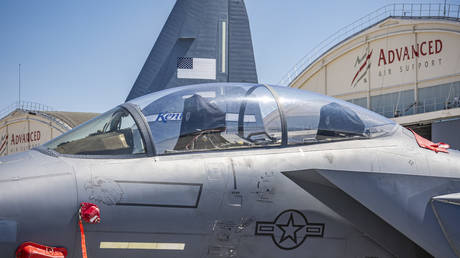
U.S. rescues pilot after F-15 downing in Iran, in a daring military operation that heightens tensions with Tehran and allies.
In a high-risk military deployment, the United States has successfully rescued a pilot whose F-15E Strike Eagle was shot down over Iran's Kohgiluyeh and Boyer-Ahmad province. The operation, described as one of the most daring in U.S. military history, involved dozens of armed aircraft to recover the officer, who had been hiding in Iran's mountains while being hunted by enemy forces. Although the pilot sustained injuries, he is reported to be in stable condition, marking a rare case of separate rescues for two crew members in hostile territory.
The incident occurs amid increasing pressure on Iran, with the U.S. and Israel intensifying diplomatic and military actions ahead of a critical deadline related to Iran's nuclear program. The pilot's recovery not only underscores U.S. operational capability in adverse environments but could also exacerbate regional tensions, as Iran has maintained official silence on the details of the downing and rescue efforts.
Analytically, this event reflects the volatility in Washington-Tehran relations, which have been marked by military incidents and economic sanctions. The successful rescue, while a tactical victory for the U.S., raises questions about conflict escalation, especially considering claims that Iran was actively hunting the pilot. This could prompt retaliations or further militarization in the region.
Moreover, the operation highlights the logistical and intelligence challenges in rescue missions in enemy territory, an aspect U.S. militaries have refined in past conflicts. However, the lack of details on how the rescue was coordinated or Iran's response suggests both sides may be handling the incident cautiously to avoid a broader direct confrontation.
Geopolitically, the downing and rescue come at a time when nuclear negotiations with Iran are stalled, and actors like Israel are pushing for a tougher stance. This could influence U.S. foreign policy, with potential implications for stability in the Middle East and international alliances.
In summary, while the pilot is safe, the episode leaves a legacy of uncertainty, with escalation risks depending on how Iran and its adversaries manage the aftermath. The operation, though successful, serves as a reminder of the latent dangers in an already turbulent region.